In-Depth Overview of Dairy Intolerance Testing in the UK
What is the prevalence of dairy intolerance in the UK population?
Private Dairy Intolerance Test in Reading: Approximately 5-10% of the population in the UK is believed to suffer from dairy intolerance, often linked to lactose intolerance. Symptoms generally manifest after the consumption of various dairy products, including milk, cheese, cream, and butter, as well as many processed foods containing lactose. According to NHS statistics, this condition can lead to significant discomfort, necessitating considerable lifestyle adjustments for many individuals. Identifying this condition is essential for effective health management and improving overall quality of life.
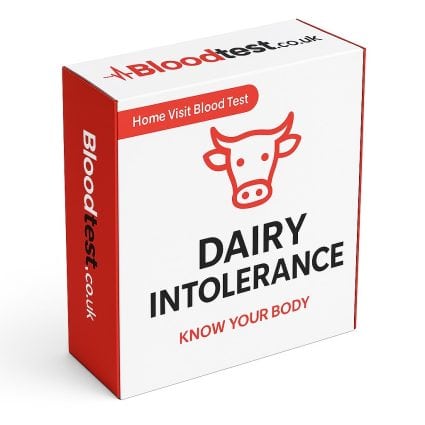

The primary dietary triggers that lead to these distressing symptoms include:
- Full-fat milk
- Soft cheeses
- Cream-based sauces
- Ice cream
- Cakes and biscuits containing dairy
- Yoghurt
- Chocolate
- Processed foods with hidden dairy ingredients
The widespread occurrence of dairy intolerance raises significant public health concerns, highlighting the urgent need for enhanced awareness and effective testing methods throughout the UK. These initiatives are vital to ensure timely diagnoses and suitable treatment options for affected individuals. A thorough understanding of this condition can lead to substantial improvements in health management and overall wellbeing.
Key symptoms to monitor for dairy intolerance in the UK
Individuals in the UK experiencing dairy intolerance commonly report a range of uncomfortable symptoms following dairy consumption. Symptoms such as bloating, gas, abdominal pain, and diarrhoea are prevalent and can significantly disrupt everyday activities, affecting overall quality of life. As per NHS guidelines, additional symptoms might encompass nausea and fatigue, often leading to confusion regarding dietary choices. The frequency and intensity of these symptoms can be aggravated by the traditional British diet, which typically incorporates a wide variety of dairy products. Recognising these symptoms is essential for early diagnosis and effective management of dairy intolerance, empowering individuals to adjust their diets to enhance health outcomes.
How has dairy intolerance testing evolved within the UK healthcare system?
In recent years, the UK healthcare system has witnessed significant advancements in improving access to dairy intolerance testing. The evolution of testing methods within the NHS has streamlined the diagnostic process for individuals. In the past, many relied on trial-and-error elimination diets; however, current innovations now feature lactose breath tests, which are readily available through GP referrals. These advancements reflect an increasing demand for accurate and efficient testing, ultimately leading to improved patient outcomes and satisfaction. The ongoing commitment to refining testing processes highlights a proactive approach to addressing the needs of individuals affected by dairy intolerance.
What are the common testing methods for dairy intolerance in the UK?
Several testing methods for dairy intolerance are routinely employed throughout the UK, predominantly via the NHS. Among these, the lactose breath test stands out as one of the most prevalent diagnostic tools. This test assesses the body’s capacity to process lactose by measuring hydrogen levels in the breath after lactose ingestion. Another widely used method is the elimination diet, which involves temporarily removing dairy from the diet and monitoring any changes in symptoms. The reliability of these testing methods is supported by NHS guidelines, assuring individuals of the trustworthiness of the results. Additionally, blood tests measuring specific antibodies can also assist in diagnosis, contributing to a holistic approach to identifying dairy intolerance within the British healthcare framework.
How Can You Identify Dairy Intolerance in the UK?
What initial steps should individuals in the UK take if they suspect dairy intolerance?
For those in the UK who suspect they might have dairy intolerance, the initial step should be to consult with their general practitioner (GP). This first consultation is critical for obtaining preliminary advice and ensuring that any potential issues are identified early. GPs may assess symptoms and dietary habits prior to recommending specific tests or referrals to specialists, such as dietitians. In line with British health guidelines, individuals are encouraged to maintain a food diary, documenting their dairy consumption alongside any associated symptoms. This proactive approach enhances discussions with healthcare professionals, leading to a better understanding of personal health concerns and customised management strategies.
What common diagnostic tools are used in the UK to identify dairy intolerance?
Clinics across the UK typically utilise a variety of diagnostic tools to accurately identify dairy intolerance. The lactose breath test and blood tests are among the most frequently employed methods in healthcare settings. The lactose breath test involves the patient consuming a lactose solution, followed by the collection of breath samples at intervals to measure hydrogen levels, which indicate lactose malabsorption. This test is widely accessible through local health services, making it a preferred option for many individuals. Blood tests are another reliable diagnostic tool, measuring antibodies to lactose and assisting in ruling out other potential conditions. Both methods adhere to NHS protocols, ensuring consistent standards of care throughout the UK.
What is the role of dietitians in the assessment of dairy intolerance in the UK?
Dietitians play a crucial role in assessing dairy intolerance in the UK, offering tailored dietary advice and support that caters to individual needs. Their expertise is particularly beneficial during the initial detection process, especially when GPs refer patients for further evaluation. Dietitians thoroughly assess dietary habits, meticulously review symptoms, and recommend appropriate testing methods based on the individual's health profile. Furthermore, they can assist in developing personalised meal plans that effectively manage symptoms once a diagnosis is confirmed. Their involvement is integral within the national health framework, guiding individuals in navigating their condition while ensuring nutritional adequacy and overall wellbeing.
How should individuals interpret dairy intolerance test results in the UK?
Interpreting the results of dairy intolerance tests is a vital aspect of effective management. Following NHS guidelines, healthcare professionals help patients understand the implications of their results, including the severity of their intolerance. For instance, high hydrogen levels on the lactose breath test signify significant malabsorption, necessitating dietary modifications to avoid lactose-containing products. Healthcare professionals also provide guidance on potential next steps, which may range from eliminating dairy to exploring lower-lactose alternatives. This interpretation process empowers patients to make informed dietary choices, significantly impacting their overall health and wellbeing.
Expert Insights on Dairy Intolerance Tests in the UK
What actionable steps do UK experts recommend for individuals suspecting dairy intolerance?
Experts recommend that individuals who suspect they have dairy intolerance adopt a structured approach through the NHS. Consulting with a GP is an essential first step to initiate necessary testing and evaluations. Effective strategies include documenting symptoms and dietary intake, which can expedite the identification of intolerances. When pursuing testing, it is advisable to specifically request a lactose breath test, as this method is both reliable and non-invasive. After receiving a diagnosis, collaborating with a registered dietitian is crucial for developing a personalised management plan, empowering individuals to make informed dietary choices while maintaining nutritional balance.
What are the latest research findings from studies conducted in the UK regarding dairy intolerance?
Recent research from UK institutions reveals significant advancements in the accuracy of dairy intolerance testing. Studies indicate that the lactose breath test has improved, yielding more reliable and consistent results. As the understanding of dairy intolerance evolves, experts encourage individuals to consult healthcare providers to accurately interpret their results. Actionable insights derived from these studies suggest that patients should follow up with dietitians after testing to ensure comprehensive dietary adjustments. By staying informed about the latest findings, individuals can manage their conditions more effectively and mitigate potential complications.
What trusted strategies contribute to reliable dairy intolerance testing in the UK?
To ensure reliable outcomes from dairy intolerance testing, individuals in the UK should implement several trusted strategies. Engaging with NHS-approved methods, including the lactose breath test and professional dietary assessments, is crucial for accurate diagnosis. Additionally, being transparent about symptoms during consultations enhances diagnostic precision. Real-world examples illustrate that those who follow a structured plan, including adhering to dietary guidelines before testing, often receive clearer and more conclusive results. By prioritising these strategies, individuals can optimise their testing experiences, leading to more accurate diagnoses and improved management of dairy intolerance.
What Types of Tests Are Available in the UK for Dairy Intolerance?
How do elimination diets work for identifying dairy intolerance in the UK?
Elimination diets are a practical and effective method for identifying dairy intolerance in the UK. This approach involves completely removing all dairy products from the diet for a specified duration, typically 4-6 weeks. This timeframe allows individuals to closely monitor any changes in their symptoms, providing a clear indication of whether dairy is indeed the underlying cause of their discomfort. According to British dietary guidelines, it is vital to diligently track and document symptoms throughout this period to ensure an accurate assessment. Following the elimination phase, individuals gradually reintroduce dairy products while carefully noting any resulting symptoms. This method proves particularly effective, as it facilitates real-time feedback and establishes clearer connections between food intake and symptomatology.
What blood tests are commonly offered in the UK for diagnosing dairy intolerance?
In the UK, blood tests are frequently utilised to diagnose dairy intolerance. These tests typically measure specific antibodies, such as IgE, which may indicate an allergic reaction to dairy proteins. The process involves drawing a small blood sample, which is then analysed in a laboratory. This method is particularly beneficial for distinguishing between lactose intolerance and a dairy allergy, both of which can present similar symptoms. As part of the broader NHS testing landscape, these blood tests are readily available and provide critical insights into an individual’s immune response to dairy, guiding subsequent dietary adjustments and management strategies.
What are skin prick tests, and how are they used in UK settings?
Skin prick tests represent an additional diagnostic option available in the UK, particularly useful for identifying immediate allergic reactions to dairy products. These tests involve introducing a small amount of dairy protein to the skin’s surface through a tiny prick, followed by monitoring for any adverse reactions. The benefits of skin prick tests include their quick results and minimal invasiveness, making them a convenient choice for both patients and healthcare providers. Preparation tips for patients include avoiding antihistamines prior to testing and discussing any current medications with healthcare professionals to ensure accurate results. The potential outcomes of these tests may indicate an allergy, guiding individuals towards necessary dietary changes and further testing if required.
Research-Backed Benefits of Dairy Intolerance Testing
How does dairy intolerance testing improve quality of life in the UK?
Research indicates that precise testing for dairy intolerance can considerably enhance the quality of life for affected individuals in the UK. Studies illustrate that those who receive appropriate diagnoses and management report reduced symptoms, leading to better overall wellbeing. Individuals often experience fewer gastrointestinal issues and improved health, enabling them to participate more actively in their daily lives. Expert analysis suggests that the clear identification of dairy intolerance allows for targeted dietary adjustments, thus empowering individuals to make informed choices and regain control over their health and lifestyle.
What are the key advantages of dairy intolerance testing supported by UK data?
Evidence gathered from UK studies highlights numerous benefits associated with dairy intolerance testing, including improved digestion and relief from uncomfortable symptoms. Participants in these studies report enhanced gastrointestinal function and a notable decrease in discomfort following the elimination of dairy from their diets. This section presents real-world examples from national health surveys illustrating the tangible benefits experienced by those who undergo testing. By proactively addressing dairy intolerance, individuals gain access to alternative dietary options that support their overall health and wellbeing, ultimately leading to a more fulfilling life.
What potential long-term outcomes can result from dairy intolerance testing in the UK?
The potential long-term outcomes of dairy intolerance testing in the UK demonstrate a range of health improvements. Research indicates that patients who actively manage their intolerance experience fewer gastrointestinal issues and enhanced digestive health over time. Expert analysis emphasises the importance of sustained dietary management strategies that help individuals maintain a balanced diet while avoiding problematic foods. These proactive measures contribute to a higher quality of life, mitigating the adverse effects of dairy intolerance on daily routines and overall health.
What are the economic benefits of dairy intolerance testing in the UK?
The economic advantages associated with dairy intolerance testing in the UK are significant. Research shows that accurate testing facilitates targeted interventions, ultimately reducing long-term healthcare expenditures for both patients and the NHS. By identifying dairy intolerance early, individuals can avoid unnecessary treatments and hospital visits, leading to considerable savings. Evidence from British studies illustrates that improved management of dietary intolerances not only enhances individual productivity but also contributes to overall economic efficiency within the healthcare system, benefiting society as a whole.
What psychological and mental health advantages arise from dairy intolerance testing in the UK?
Dairy intolerance testing has profound implications for psychological and mental health, as indicated by data from UK studies. Individuals frequently report a significant reduction in anxiety related to unexplained symptoms after receiving a diagnosis. Expert analysis reveals that informed dietary adjustments resulting from testing lead to enhanced mental wellbeing and improved quality of life. By alleviating the stress associated with undiagnosed symptoms, testing empowers individuals to make confident dietary choices, fostering a healthier relationship with food and overall mental health.
How Is the Test Performed in UK Clinics?
What preparation is required before undergoing testing in the UK?
Before undergoing testing for dairy intolerance in UK clinics, patients are typically required to follow specific preparation protocols. Fasting for a minimum of 12 hours prior to a lactose breath test is crucial for ensuring accurate results. Patients should also refrain from certain medications that may interfere with test outcomes, including antibiotics and probiotics, for a designated period before testing. Adhering to these guidelines is essential to maximise the reliability of diagnostic results and align with NHS protocols for effective patient care and management.
What is the typical procedure during a dairy intolerance testing appointment in the UK?
During a standard appointment at a UK clinic for dairy intolerance testing, patients undergo a series of straightforward, clearly defined steps. In a lactose breath test, patients first provide a baseline breath sample, then consume a lactose solution. Following ingestion, breath samples are collected at regular intervals to measure hydrogen levels, reflecting the body’s ability to digest lactose. The entire procedure is usually conducted in a relaxed environment, with healthcare professionals guiding patients through each step to ensure clarity, comfort, and understanding throughout the appointment.
What follow-up processes exist within the UK healthcare system after testing?
Following testing, established follow-up processes within the UK healthcare system are essential for providing ongoing support and care. Patients are typically scheduled for consultations with their GP or dietitian to discuss test results and any necessary dietary adjustments. This follow-up is critical for addressing potential complications or concerns that may arise post-test. Patients are encouraged to ask questions to ensure they fully comprehend their condition and how to manage it effectively. This structured support network within the NHS empowers individuals to take charge of their health management and wellbeing proactively.
Preparing for Your Test in the UK
What questions should you ask your doctor in the UK before testing?
When preparing for a dairy intolerance test in the UK, patients should come equipped with relevant questions to enhance their understanding and overall experience. Inquiring about the specifics of the test, including its purpose and what to expect, is essential for alleviating any concerns. Patients may also wish to ask about potential symptoms to monitor post-test and any necessary dietary adjustments prior to testing. Additionally, discussing follow-up processes can clarify the next steps based on the test results. This proactive communication fosters a collaborative relationship with healthcare providers, ensuring informed decision-making and comprehensive care.
What dietary adjustments are recommended for individuals in the UK before testing?
Prior to undergoing a dairy intolerance test, dietary adjustments are crucial for optimising results. UK nutrition experts recommend several key guidelines, including:
- Avoiding all dairy products for at least 48 hours before testing
- Documenting any symptoms in a food diary
- Consuming a balanced diet consisting of non-dairy alternatives
- Staying hydrated and maintaining regular meal patterns
These dietary recommendations assist in preparing the body for accurate testing outcomes, facilitating a clearer understanding of individual intolerance levels. By implementing these adjustments, patients can improve their testing experience and ensure reliable results that will inform their dietary choices moving forward.
How can individuals access testing facilities across the UK?
Individuals in the UK seeking dairy intolerance testing can easily locate convenient facilities through NHS directories. Numerous local clinics and hospitals offer testing services, making it accessible for residents across various regions. Patients are encouraged to consult their GP for recommendations on reputable testing centres within their vicinity. This availability ensures that individuals can receive timely tests and diagnoses, enabling effective management of dairy intolerance symptoms and overall health.
What should individuals understand about the test procedure in the UK?
Familiarising oneself with the test procedure is crucial for alleviating concerns prior to dairy intolerance testing in the UK. NHS protocols provide comprehensive explanations of typical procedures, including preparation steps, what occurs during the test, and post-procedure advice. Understanding the process helps patients feel informed and confident, significantly reducing anxiety regarding potential outcomes. By knowing what to expect, individuals can approach the test with assurance, fostering a more positive and productive testing experience.
What does post-test follow-up and care entail in the UK?
Following testing for dairy intolerance, effective follow-up is essential for comprehensive health management. NHS guidelines emphasise the importance of reviewing results with healthcare professionals, addressing any complications, and scheduling further appointments as required. Patients should also receive guidance on dietary modifications based on their test outcomes, ensuring they have a clear path forward. This proactive follow-up process empowers individuals to take control of their health, equipping them with the knowledge and strategies needed to manage their intolerance effectively and maintain optimal wellbeing.
Aftercare and Management of Dairy Intolerance in the UK
What ongoing support options are available for individuals diagnosed with dairy intolerance in the UK?
After receiving a diagnosis of dairy intolerance, individuals in the UK have access to various ongoing support options. NHS resources provide follow-up care, including consultations with dietitians who specialise in managing food intolerances. Additionally, support groups and online communities offer valuable peer connections for individuals navigating similar challenges. These resources create a supportive environment, aiding individuals in managing their dairy intolerance effectively while maintaining a balanced lifestyle that promotes overall health and wellbeing.
What lifestyle changes may be necessary following a dairy intolerance diagnosis in the UK?
Upon confirmation of dairy intolerance, individuals in the UK often need to implement significant lifestyle changes. Practical adjustments may involve transitioning to lactose-free alternatives, such as plant-based milks, cheeses, and yoghurts. This transition not only alleviates symptoms but also enhances overall nutrition by promoting a more diverse range of food choices. Furthermore, individuals are encouraged to explore new recipes that avoid dairy products while ensuring dietary balance. These changes empower individuals to manage their intolerance while enjoying a varied and fulfilling diet, ultimately improving their quality of life.
How can individuals monitor their progress within the UK healthcare system?
Monitoring progress after a diagnosis of dairy intolerance is crucial for effective management. In the UK, regular check-ins with healthcare providers help track symptom improvement and adherence to dietary guidelines. Tools like food diaries can be particularly beneficial for identifying patterns and triggers, enabling more informed dietary choices. By actively engaging with local health programmes, individuals can foster a supportive framework that encourages ongoing progress in effectively managing their dairy intolerance and enhancing their overall wellbeing.
FAQs Regarding Dairy Intolerance Testing
What are the main symptoms of dairy intolerance?
Common symptoms of dairy intolerance include bloating, gas, abdominal pain, and diarrhoea that occur after consuming dairy products, significantly impacting daily life.
How is dairy intolerance diagnosed in the UK?
Dairy intolerance is typically diagnosed using methods such as lactose breath tests, blood tests, and elimination diets, often facilitated through consultations with healthcare professionals.
Are there any risks associated with dairy intolerance testing?
Generally, dairy intolerance testing poses minimal risks. However, it’s essential to adhere to preparation guidelines to ensure accurate results, as incorrect preparation can lead to inconclusive findings.
Can dairy intolerance develop later in life?
Yes, dairy intolerance can develop at any stage of life, even in individuals who previously consumed dairy without issues. Factors such as ageing or gastrointestinal infections may trigger its onset.
What alternatives are available for those with dairy intolerance?
Individuals with dairy intolerance can explore numerous alternatives, including almond milk, soy milk, coconut yoghurt, and lactose-free cheese, to help them maintain a balanced diet without discomfort.
Is lactose intolerance the same as a dairy allergy?
No, lactose intolerance and dairy allergy are distinct conditions. Lactose intolerance involves difficulty digesting lactose, whereas dairy allergy involves an immune response to dairy proteins, which can lead to serious health issues.
How long does it take to see results from eliminating dairy?
Individuals may notice improvements in symptoms within a few days to a few weeks after eliminating dairy from their diets. The timeframe varies based on individual circumstances and the severity of intolerance.
Can I still eat cheese if I have dairy intolerance?
Some individuals with dairy intolerance may tolerate certain types of cheese, especially aged varieties that have lower lactose content. It is advisable to consult a dietitian for personalised recommendations.
What should I do if I suspect dairy intolerance?
If you suspect dairy intolerance, consult your GP for advice and potential testing options, and consider keeping a food diary to track dairy-related symptoms for better insight.
Is it possible to outgrow dairy intolerance?
While some individuals may outgrow lactose intolerance, particularly children, many adults continue to experience it throughout their lives. Monitoring symptoms and consulting a healthcare professional can provide clarity on individual circumstances.
Connect with us on Facebook for more insights and support!
This Article Was First Found On https://bloodtest.co.uk
The Article Dairy Intolerance Test: Your Comprehensive Guide in Reading found first on https://electroquench.com