Comprehensive Overview of the Full Blood Count Test Available in Portsmouth
What is the Primary Purpose of the Full Blood Count Test?
Private FBC Test in Portsmouth: The FBC test, commonly known as the Full Blood Count test, is a crucial blood analysis procedure widely used in Portsmouth clinics for thorough health assessments. This essential diagnostic tool evaluates a range of health indicators that are vital for precise diagnosis and continuous patient monitoring. By detecting irregularities in blood composition, the FBC test significantly contributes to ensuring individuals receive the necessary medical attention in a timely manner.
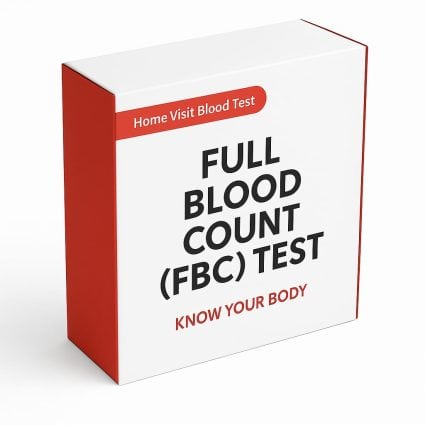

By enabling the early detection of potential health issues, the FBC test is an invaluable part of the local healthcare framework. Key parameters assessed during an FBC test include:
- Red blood cell (RBC) count
- White blood cell (WBC) count
- Haemoglobin level
- Haematocrit (the proportion of blood volume occupied by red blood cells)
- Platelet count
- Mean corpuscular volume (MCV)
- Mean corpuscular haemoglobin (MCH)
- Mean corpuscular haemoglobin concentration (MCHC)
This comprehensive evaluation is essential for diagnosing conditions such as anaemia, infections, and various blood disorders, highlighting the crucial role of the FBC test in safeguarding the health and well-being of Portsmouth residents.
How Have Blood Testing Methods Evolved Over Time?
Over the years, blood testing techniques in Portsmouth have undergone significant advancements, focusing on accuracy and improved patient care. The evolution of blood testing has led to modern innovations, including automated analysers and advanced laboratory techniques, which greatly enhance the precision and reliability of test results. The transition to sophisticated testing facilities not only strengthens the diagnostic capabilities of local healthcare providers but also guarantees that patients receive timely and effective treatment. This evolution, centred on patient comfort and safety, reflects a steadfast commitment to improving health outcomes within the community.
Why is the Full Blood Count Test Essential for Healthcare?
The FBC test plays a pivotal role in the early identification of health concerns, an integral practice within Portsmouth’s healthcare system. By uncovering potential issues early, the FBC test significantly aids in preserving overall health and wellness. For example, it is instrumental in monitoring chronic conditions such as diabetes and heart disease, facilitating timely medical interventions. Local healthcare professionals routinely use the FBC test to formulate personalised treatment plans, ensuring that healthcare strategies are customised to the unique needs of individual patients. This proactive approach not only improves health outcomes but also fosters a culture of preventative care throughout Portsmouth.
Expert Insights on the Full Blood Count Test in Portsmouth
What Are Real-Life Applications of the FBC Test in the UK?
In Portsmouth, the practical application of the FBC test has resulted in significant improvements across various clinical environments. For instance, local hospitals have recorded cases where prompt FBC testing has facilitated the early detection of anaemia in pregnant women. This timely identification allowed healthcare providers to implement immediate dietary changes and supplementation, which were critical in enhancing maternal and fetal health outcomes. Another prominent example is the utilisation of the FBC test in managing chronic health conditions, where ongoing monitoring has enabled healthcare professionals to swiftly adjust treatment strategies, thus improving patients’ quality of life. These real-world applications underscore the effectiveness of the FBC test and its essential role within Portsmouth’s healthcare landscape.
How Are Results from the FBC Test Analysed and Interpreted?
Interpreting the results of an FBC test necessitates a detailed understanding of haematological parameters, a skill that healthcare professionals in Portsmouth have mastered. Practitioners follow established guidelines to analyse common findings, such as variations in red and white blood cell counts, haemoglobin levels, and platelet counts. For instance, a diminished RBC count may signify anaemia, whereas an elevated WBC count could indicate an infection or inflammation. The ability to accurately interpret these results not only aids in diagnosis but also influences subsequent treatment choices. Ongoing professional development ensures that practitioners are well-prepared to provide patients with a clear understanding of their results and their implications for health.
What Key Preparatory Steps Should Be Followed Before the FBC Test?
For individuals preparing for an FBC test in Portsmouth, several practical steps can enhance the experience and ensure optimal outcomes. Firstly, it is essential to consult a healthcare provider regarding any medications that may affect the test results. Secondly, maintaining proper hydration before the test is crucial, as it can facilitate a smoother blood draw process. Furthermore, individuals should familiarise themselves with any necessary fasting requirements to ensure precise measurements. By following these expert guidelines, patients can significantly contribute to the reliability of their test results and enhance their overall healthcare experience in Portsmouth.
A Step-by-Step Guide to Understanding the FBC Test Process
What is the Standard Procedure for Conducting the FBC Test?
The FBC test follows a methodical process that begins with the collection of a blood sample. At Portsmouth laboratories, a qualified healthcare professional typically draws blood from a vein in the arm using a sterile needle. This procedure is swift and usually well-tolerated, with most patients experiencing minimal discomfort. Once the blood has been drawn, the sample is sent to a laboratory for comprehensive analysis, where advanced equipment assesses various blood components, including red and white blood cells, haemoglobin, and platelets. The entire procedure is designed to ensure that patients are well-informed about what to expect, thereby alleviating any anxiety associated with the testing process.
What Equipment is Used During the FBC Test?
The equipment utilised for the FBC test is sophisticated and designed to deliver accurate results efficiently. In Portsmouth, laboratories employ advanced blood analysers that automate the counting and characterisation of blood cells. These analysers use technologies such as flow cytometry and optical sensing, which offer detailed insights into blood composition. The adoption of such equipment not only accelerates the turnaround time for results but also enhances accuracy, greatly reducing the potential for human error. Understanding the technology behind the FBC test can demystify the process for patients, fostering trust in the accuracy of their results.
What Key Stages Are Involved in the FBC Test Procedure?
The process of an FBC test consists of several key stages, each aimed at maximising efficiency and patient comfort. Initially, the sample collection process commences, during which patients receive guidance throughout the blood draw from experienced professionals. After the blood sample is obtained, it is labelled and sent to the laboratory, where it undergoes thorough testing. The analysis phase involves the use of automated systems to evaluate the various components of the blood, followed by a validation step performed by laboratory technicians to ensure the reliability of the results. Ultimately, the results are compiled and reviewed before being communicated to the patient and their healthcare provider. This structured approach guarantees that patients receive timely and accurate information regarding their health.
Research-Backed Benefits of the FBC Test in Portsmouth
What Evidence Do Local Studies Provide Regarding the FBC Test's Advantages?
Local research conducted in Portsmouth has produced compelling evidence supporting the FBC test’s advantages in improving health monitoring. Studies indicate that regular FBC testing facilitates the timely identification of health issues, which subsequently leads to enhanced patient outcomes. For instance, a study involving patients with chronic illnesses revealed that periodic FBC testing promoted proactive management, resulting in fewer hospital admissions and better control of diseases. Additionally, data derived from FBC tests contribute to a deeper understanding of population health trends, allowing healthcare providers to tailor interventions to effectively address the specific needs of the community.
What Health Outcomes Are Associated with Regular FBC Testing?
The FBC test has been linked to improved health management in Portsmouth, with numerous studies demonstrating positive outcomes from its regular application. For example, consistent monitoring of blood counts in patients undergoing chemotherapy has led to timely interventions that alleviate side effects and enhance treatment effectiveness. Moreover, healthcare professionals have observed that patients who participate in regular FBC screening are more proactive in their health management, resulting in healthier lifestyle choices and improved overall health. The emphasis on evidence-based insights reinforces the test’s significance as a fundamental tool in the pursuit of optimal health outcomes for individuals in Portsmouth.
What Are the Comparative Advantages of the FBC Test Over Alternative Diagnostic Methods?
When comparing the FBC test to alternative diagnostic procedures, its advantages become apparent, particularly within the context of healthcare in Portsmouth. The test provides rapid diagnostics, allowing for immediate clinical decisions that can profoundly impact patient care. Unlike some imaging studies or other blood tests that may necessitate extended processing times, the FBC test produces results within a short period, enabling prompt medical interventions. Research consistently highlights its efficacy across diverse clinical scenarios, reinforcing its position as a preferred choice among healthcare professionals for routine health evaluations. This efficiency not only enhances health outcomes but also enriches the overall patient experience in local healthcare environments.
Essential Steps for Preparing for the FBC Test
How Can Patients Effectively Prepare for the FBC Test?
Effective preparation for an FBC test in Portsmouth is essential to ensuring accurate results. Patients are typically advised to fast for a minimum of 8 hours prior to the test, as certain foods and beverages can alter blood composition. Adequate hydration is equally important; drinking water before the test can facilitate a smoother blood draw and ensure sufficient blood volumes for accurate analysis. Additionally, patients should inform their healthcare provider about any medications or supplements they are taking, as certain substances can affect results. By adhering to these guidelines, individuals can enhance the reliability of their FBC test outcomes.
What Guidelines Should Patients Follow for the FBC Test?
Patients in Portsmouth should adhere to specific guidelines to ensure effective preparation for the FBC test. It is crucial to avoid strenuous exercise and heavy meals prior to the test, as these factors can influence blood parameters. Besides fasting, maintaining a balanced diet leading up to the test can assist in achieving accurate readings. It is also advisable to arrive at the testing facility well-rested and to communicate any health changes or concerns to the healthcare provider. These preparatory steps contribute to optimal testing conditions, ensuring a more straightforward and effective testing experience.
What Common Precautions Should Be Taken Prior to the FBC Test?
Implementing precautions before an FBC test is vital for minimising potential errors and ensuring a smooth experience in Portsmouth. Patients should follow these preparation tips:
- Avoid certain medications that may affect blood results, as advised by a healthcare professional.
- Maintain hydration levels but limit caffeine consumption before the test.
- Inform the healthcare provider of any recent health issues or symptoms.
- Ensure a good night's sleep before the test to reduce stress and ensure adequate rest.
By following these precautions, patients can enhance the accuracy of their results and improve their overall testing experience.
Standard Procedures for Conducting the FBC Test in Portsmouth
What Established Protocols Are Followed During the FBC Test?
Procedures for the FBC test in Portsmouth adhere to established protocols that prioritise patient safety and accurate results. Initially, patients undergo a thorough pre-test assessment, during which healthcare professionals review their medical history and discuss any relevant symptoms. The blood draw is performed using sterile techniques to minimise the risk of infection, and samples are meticulously labelled to prevent mix-ups. Once in the laboratory, samples are processed according to stringent quality control standards. These routine steps are essential in fostering a safe environment for patients while obtaining reliable diagnostic information.
What Happens Once the FBC Test Results Are Available?
After the FBC test, the subsequent steps are crucial for effective patient care in Portsmouth. Once results are available, healthcare providers review them alongside the patient’s medical history and any presenting symptoms. This comprehensive evaluation enables informed discussions regarding potential health concerns and necessary follow-up actions. In cases where results reveal abnormalities, further testing or interventions may be recommended to address underlying issues. The focus on a collaborative approach between providers and patients ensures that individuals receive personalised care tailored to their specific health needs.
Why is Ongoing Follow-Up Care Critical After the FBC Test?
Routine follow-up care after an FBC test is vital for ongoing health management in Portsmouth. Healthcare providers often schedule follow-up appointments to discuss test results and any required treatment plans. This continuous monitoring enables providers to track changes in patients’ health over time and adjust interventions as necessary. Furthermore, patients are encouraged to actively engage in their healthcare by reporting any new symptoms or concerns. Such proactive involvement nurtures a collaborative healthcare environment, ultimately leading to better health maintenance and improved patient outcomes.
What Preparation Is Required Prior to the FBC Test?
Before an FBC test in Portsmouth, adequate preparation is crucial for reliable outcomes. Patients are typically instructed to fast for a specified period before the test, as this ensures that the blood sample accurately reflects their health status without interference from recent meals. Hydration is also vital; drinking water can assist in blood draw procedures and prevent dehydration. Additionally, individuals should be prepared to provide their medical history, including any current medications or health conditions, as this information can be vital for the accurate interpretation of results. Following these guidelines ensures the test’s accuracy and enhances patient safety and the experience within local healthcare settings.
Why is the FBC Test Viewed as a Critical Component of Healthcare?
What Factors Establish the FBC Test as Essential?
The FBC test is crucial for the early detection of health issues, significantly affecting patient outcomes in Portsmouth. By routinely screening for abnormalities in blood parameters, healthcare providers can identify potential problems before they develop into serious conditions. This proactive approach is particularly important for managing chronic diseases, where early intervention can yield more effective management strategies. The comprehensive health insights provided by the FBC test establish it as a cornerstone of community preventive healthcare, reinforcing its critical role in safeguarding public health.
What Are the Consequences of Not Undergoing an FBC Test?
Neglecting to undergo an FBC test in Portsmouth can result in unrecognised health problems, potentially leading to serious ramifications. Conditions such as anaemia or infections may go unnoticed, impeding timely treatment and worsening health issues. Regular testing is particularly crucial for individuals with risk factors, such as a family history of chronic diseases, as it enables early intervention and management. The importance of consistent health check-ups cannot be overstated; they act as a safeguard against unexpected health crises, ensuring that patients remain informed and proactive about their health.
How Does the FBC Test Influence Daily Health Decisions?
The FBC test positively influences daily health decisions in Portsmouth, empowering individuals to take control of their well-being. Regular testing can help individuals identify dietary deficiencies, encouraging them to make informed lifestyle changes that enhance their overall health. For example, individuals diagnosed with low iron levels may adjust their diets to incorporate iron-rich foods, improving their energy and vitality. Numerous success stories exist within the community, where individuals report significant health improvements after addressing issues identified through their FBC test results. Such positive outcomes illustrate the test’s transformative potential in personal health management.
- A patient diagnosed with anaemia improved their diet, resulting in increased energy and productivity.
- An individual identified with elevated white blood cell counts began treatment for an underlying infection, leading to a swift recovery.
- Regular monitoring facilitated the timely management of a chronic condition, enhancing overall quality of life.
- A family member’s proactive health checks led to early detection of a significant health issue, preventing a potential crisis.
What Aftercare Steps Should Be Followed Post-FBC Test?
How Is Recovery and Monitoring Managed After the FBC Test?
Aftercare for the FBC test in Portsmouth involves closely monitoring results and supporting patients throughout their recovery. Once test results are available, healthcare providers will discuss the implications with the patient, address any concerns, and outline necessary follow-up steps. If abnormalities are detected, additional testing or treatment options may be recommended to ensure patients receive the appropriate care. This supportive approach emphasises the importance of post-test communication, helping patients understand their health status and the actions needed to maintain or improve their well-being.
What Long-Term Management Strategies Should Be Considered Following the FBC Test?
Long-term management after an FBC test includes lifestyle recommendations to maintain the benefits of testing in Portsmouth. Patients are encouraged to follow a balanced diet rich in essential nutrients to support healthy blood parameters. Regular physical activity is also crucial for overall health, contributing to improved cardiovascular function and enhanced blood cell production. Staying informed about one’s health and participating in regular check-ups can empower individuals to remain proactive in their health management, ensuring that any changes in their condition are addressed promptly.
What Support Resources Are Available for Patients After the FBC Test?
Resources for aftercare in Portsmouth are vital for assisting patients in navigating their test outcomes. Local health services frequently provide educational materials and support programmes aimed at empowering individuals with knowledge about their health. Patients can access counselling services to discuss their results and the related implications for their health, ensuring they feel supported throughout their journey. Community initiatives that promote health awareness offer additional opportunities for individuals to engage in healthy practices and connect with others facing similar health concerns. Accessing these resources can significantly enhance the aftercare experience following an FBC test.
What Does the Future Hold for the FBC Test in Portsmouth?
What Emerging Trends Are Anticipated in Blood Testing?
Future trends for the FBC test in Portsmouth are expected to include technological advancements that enhance testing accuracy and efficiency. Innovations such as point-of-care testing devices could provide immediate results in clinical settings, reducing patient wait times and enabling quicker decision-making for healthcare providers. The incorporation of artificial intelligence in result interpretation may also improve diagnostic capabilities, making it easier to identify possible health issues. These advancements promise to streamline the testing process and significantly improve patient outcomes.
How Will the FBC Test Adapt and Evolve Over Time?
The evolution of the FBC test in Portsmouth may involve the introduction of new methods that expand its utility beyond routine assessments. For instance, developments in genomics and molecular diagnostics could facilitate more comprehensive evaluations of blood health, leading to tailored treatment strategies. Furthermore, the advent of wearable technology that continuously monitors blood parameters could revolutionise how healthcare providers approach patient monitoring, fostering a more proactive health management model. These innovations are likely to enhance the overall effectiveness of the FBC test in addressing diverse health needs.
What Potential Challenges Could Impact the Future of the FBC Test?
Challenges that may affect the FBC test in Portsmouth could influence accessibility and public awareness of the test’s importance. Socioeconomic factors might hinder individuals’ ability to seek regular testing, resulting in disparities in health outcomes. Additionally, misinformation surrounding the FBC test may create reluctance to undergo testing, which could negatively impact overall community health. Addressing these challenges will require concerted efforts from healthcare providers, policymakers, and community organisations to advocate for the test’s benefits and guarantee equitable access for all residents.
What Opportunities for Expansion Exist for the FBC Test?
In Portsmouth, the FBC test presents opportunities for growth through collaborations with local entities and technological integrations. By partnering with local businesses and health organisations, healthcare providers can enhance community outreach and education regarding the significance of routine testing. Furthermore, expanding services to include mobile testing units could improve accessibility for underserved populations, ensuring that all residents can benefit from regular blood assessments. These initiatives aim not just to improve health outcomes but also to foster a culture of preventative healthcare within the community.
What Role Do Stakeholders Play in the Future Development of the FBC Test?
The future of the FBC test in Portsmouth will be significantly influenced by stakeholders, including local government, healthcare providers, and community members. Collaborative efforts focused on policy-making and funding initiatives will be essential for sustaining and expanding testing services. By fostering partnerships between healthcare institutions and community organisations, stakeholders can establish a supportive framework that promotes health awareness and encourages regular testing. Effective communication and coordinated action will be critical in overcoming barriers and ensuring long-term success, ultimately benefiting the entire Portsmouth community.
Frequently Asked Questions About the FBC Test
What exactly is an FBC test?
An FBC test, or Full Blood Count test, assesses various components of blood to evaluate overall health, including red and white blood cell counts, haemoglobin levels, and platelets.
How often should I undergo an FBC test?
The frequency of FBC testing varies based on individual health needs. Generally, it is recommended to have it at least annually or as advised by your healthcare provider.
What do FBC test results indicate?
FBC test results can reveal various health issues, including anaemia, infections, and blood disorders. A healthcare provider will interpret the results based on individual circumstances.
Do I need to fast before the test?
Yes, fasting is typically required for at least 8 hours prior to an FBC test to ensure accurate results. Drinking water is usually permitted and encouraged.
What happens if my FBC results are abnormal?
Abnormal FBC results may require further testing or evaluations. Your healthcare provider will discuss the implications and recommend appropriate next steps.
Can medications affect FBC test results?
Yes, certain medications can impact FBC test results. Inform your healthcare provider about any medications or supplements you are taking before the test.
How is the blood sample collected?
A blood sample for an FBC test is typically collected from a vein in your arm using a sterile needle by a trained healthcare professional.
Are there any risks associated with the FBC test?
The FBC test is generally safe, with minimal risks. Some individuals may experience slight discomfort or bruising at the sample site.
How long does it take to receive results?
FBC test results are usually available within a few hours to a day, depending on the laboratory’s workload and procedures.
Where can I obtain an FBC test in Portsmouth?
FBC tests can be conducted at local clinics, hospitals, and laboratories in Portsmouth. Consult your healthcare provider for specific recommendations based on your needs.
Connect with us on Facebook today!
This Article Was First Found On https://bloodtest.co.uk
The Article FBC Test Benefits: Discover Them in Portsmouth found first on https://electroquench.com