Comprehensive Overview of Food Intolerance Testing in Southampton
What specific goals does a food intolerance test seek to achieve?
Private Food Intolerance Test in Southampton: A food intolerance test in Southampton is designed to precisely identify dietary triggers through techniques including blood sampling and structured elimination diets. These methodologies assist in recognising foods that may lead to unpleasant symptoms, such as bloating, headaches, and fatigue. Local clinics offer these essential tests, empowering individuals to manage their symptoms more effectively with personalised dietary recommendations tailored to their specific needs.
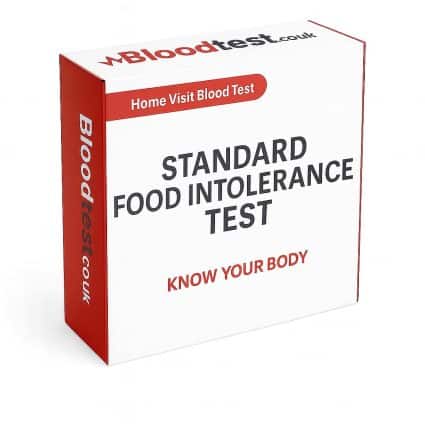

For example, scheduling a consultation with a nutritionist in Southampton can provide invaluable insights into individual food reactions, ultimately improving one’s overall quality of life and wellbeing.
What varieties of food intolerance tests are offered in the region?
In Southampton, individuals can access a range of testing options specifically crafted to accurately identify food intolerances. Common testing methods include IgG antibody testing and well-structured elimination diets. Local health services facilitate these tests, ensuring that individuals can create customised dietary plans aimed at alleviating prevalent symptoms associated with food intolerances. To book a test, residents can easily contact nearby clinics or practitioners, often listed in local directories or on health-related platforms, ensuring tailored guidance that meets each person’s unique health profile and requirements.
What symptoms should residents of Southampton be vigilant about?
Individuals living in Southampton should be attentive to signs that may indicate a food intolerance. Common symptoms to watch for include digestive problems, such as bloating and gas, skin irritations like rashes, and even unexplained instances of fatigue. Local specialised testing centres are well-prepared to address these symptoms, guiding individuals towards effective management strategies that enhance their daily wellbeing. By recognising these signs early, residents can promptly seek appropriate testing and interventions, thereby improving their overall health and quality of life.
What steps are involved in the Food Intolerance Testing Process?
What does the detailed procedure for testing involve?
The process of undertaking a food intolerance test in Southampton typically begins with a thorough consultation, during which individuals discuss their symptoms in detail. Following this initial discussion, a blood sample may be taken, or a structured elimination diet may be recommended. The obtained blood sample is then analysed in local laboratories, aiding in the identification of specific food sensitivities. These insights can substantially guide necessary dietary adjustments, potentially leading to enhanced health outcomes for those involved. Local experts assert that the accuracy rates of these tests are generally high, delivering reliable results that can effectively inform critical dietary changes.
What essential equipment is required to ensure testing accuracy?
In Southampton, testing facilities utilise advanced equipment to ensure precise and dependable results. Key instruments employed in this process include:
- Blood analysers: These sophisticated machines examine blood samples for specific antibodies linked with food intolerances, guaranteeing accurate identification.
- Sample centrifuges: These devices are used to separate blood components for clearer insights into food reactions.
- Computerised diagnostic software: This software efficiently processes results, enabling rapid interpretation and actionable insights.
- Elimination diet tracking apps: These mobile applications assist patients in monitoring their food intake and associated symptoms, promoting effective self-management.
These essential tools play a crucial role in identifying food intolerances, ensuring that Southampton residents receive accurate, actionable results that can significantly improve their health journeys.
How long does the testing process typically take?
The time required for food intolerance testing in Southampton can differ based on the method used. Generally, blood tests may provide results within a few days, while comprehensive elimination diets might take several weeks for thorough assessment. This timeframe allows for a complete evaluation and necessary follow-up consultations, ensuring individuals receive the support they need to fully understand their results. Trusted strategies for tracking progress may include maintaining a detailed food diary or utilising mobile applications to monitor symptoms and dietary changes, providing ongoing insight into health management.
Expert Insights into Food Intolerance Testing in Southampton
What key findings have emerged from local research?
Research conducted in the UK indicates that food intolerance tests, particularly those performed in Southampton, can lead to significant symptom relief once triggers are recognised. Studies highlight that residents have benefited from tailored dietary advice informed by these tests, resulting in notable improvements in health outcomes. For example, a recent trial demonstrated that participants who adhered to recommended dietary changes experienced a substantial reduction in gastrointestinal symptoms, underscoring the importance of evidence-based testing methods in this field.
What professional recommendations should individuals consider?
Local experts in Southampton strongly recommend that individuals seek reputable clinics for their food intolerance tests. It is crucial to select facilities staffed with qualified professionals to avoid misdiagnosis and ensure that the tests conducted are both safe and reliable. Actionable steps, as per UK guidelines, include consulting with a registered dietitian before testing and thoroughly discussing all relevant symptoms during the initial appointment. This collaborative approach increases the likelihood of obtaining optimal results, ensuring individuals receive the best possible care and guidance throughout their testing journey.
What long-term strategies should be implemented for effective management?
Continual monitoring and regular adjustments are essential for individuals diagnosed with food intolerances. Specialists in Southampton recommend periodic check-ins with healthcare providers to evaluate dietary modifications and refine symptom management strategies. Incorporating test results into daily life may involve meal planning and cautiously reintroducing eliminated foods to assess reactions. By leveraging expert knowledge and local resources, individuals can maintain their health and enhance their overall wellbeing through informed dietary choices that align with their unique health profiles.
What are the Key Benefits of Food Intolerance Testing?
How can food intolerance testing contribute to improved health outcomes?
Engaging in food intolerance testing in Southampton can lead to significant enhancements in health outcomes. By identifying specific triggers, individuals often observe increased energy levels and a marked reduction in uncomfortable symptoms, contributing to an improved quality of life. Local experiences consistently reveal common health improvements, including:
- A decrease in digestive issues such as bloating and cramps.
- Enhanced skin health, characterised by fewer rashes or irritations.
- Increased energy levels and diminished fatigue.
- Improved emotional stability, resulting in fewer mood swings.
These benefits illustrate the transformative potential of identifying and addressing food intolerances early, enabling individuals to lead healthier, more fulfilling lives.
What potential financial savings can be achieved?
Identifying food intolerances early through testing can lead to significant cost savings for residents in Southampton over time. By addressing symptoms before they escalate into more serious health issues, individuals may reduce their medical expenses related to ongoing treatments and health consultations. Regional data supports the notion that early intervention and personalised dietary modifications can prevent costly medical interventions in the future, fostering a more efficient and sustainable healthcare system for all involved.
How does testing positively impact daily living for individuals?
Food intolerance tests in Southampton empower individuals to tailor their diets, resulting in fewer disruptions to daily life and enhanced overall wellbeing. By understanding specific triggers, residents can make informed food choices, thereby reducing symptoms that might otherwise interfere with their daily activities. Actionable strategies for successful implementation include meal prepping with safe foods and seeking support from local nutrition groups, ensuring that dietary modifications are both sustainable and enjoyable for long-term adherence.
Data-Driven Benefits of Food Intolerance Testing in Southampton
What insights do UK studies provide?
Recent investigations in the UK indicate that food intolerance tests can effectively reduce adverse reactions to specific foods. Evidence from Southampton experts suggests that individuals who have undergone testing frequently report improved symptoms after adjusting their diets accordingly. Real-world examples from local contexts demonstrate how targeted dietary interventions have led to substantial health improvements and enhanced overall quality of life, emphasising the relevance and effectiveness of such testing methods.
What dietary enhancements have been observed?
Research has shown that individuals who undergo food intolerance testing often achieve better dietary balance following their results. In Southampton, experts have noted that patients frequently make healthier food choices post-testing, leading to long-term health advantages. By integrating nutritional science into these recommendations, individuals not only avoid problematic foods but also adopt a more diverse and nourishing diet that supports overall health and wellbeing.
Why is accuracy in testing crucial?
High-precision tests are vital in Southampton to ensure reliable results that accurately inform dietary decisions. UK research highlights the necessity for accurate testing to prevent misdiagnosis, which can lead to unnecessary dietary restrictions or health complications. Trusted strategies for verifying outcomes include seeking second opinions from qualified professionals and remaining vigilant about changes in symptoms following dietary adjustments, ensuring that individuals receive the most effective care possible.
Which Symptoms Indicate a Possible Food Intolerance?
What are the common physical signs to be mindful of?
In Southampton, individuals should be observant of various physical signs that might suggest a food intolerance. Symptoms such as fatigue, bloating, and rashes can often indicate underlying issues that require further investigation. To facilitate prompt relief, maintaining a symptom log can be invaluable. Residents should document their symptoms alongside their dietary intake to identify potential triggers, enabling a clearer understanding when consulting health professionals regarding their experiences and health concerns.
What emotional or behavioural signs should be monitored?
Emotional and behavioural indicators of food intolerances can also manifest among Southampton residents. Fluctuations in mood, heightened anxiety, and increased irritability may be linked to certain foods, and comprehensive testing can assist in uncovering these connections. Recognising these signs early can lead to improved management strategies, which may include dietary adjustments and psychological support to ensure holistic wellbeing. Key emotional signs to watch for include:
- Increased irritability or mood swings.
- Heightened anxiety levels.
- Unexplained fatigue or lethargy.
- Difficulties with concentration.
Addressing these emotional indicators through testing and local support services can significantly enhance overall wellbeing and quality of life for affected individuals.
When is it advisable to pursue food intolerance testing?
Individuals experiencing persistent symptoms in Southampton should consider consulting local services for a tailored diagnosis and personalised treatment plans. Indicators that it may be time to pursue testing include recurrent digestive discomfort, skin reactions, or mood fluctuations associated with food consumption. Evidence from local health reports emphasises the importance of early intervention to prevent symptom escalation and improve health outcomes, ensuring individuals receive the necessary care promptly.
Common Misconceptions Surrounding Food Intolerance Testing
What myths versus facts exist regarding testing?
Many residents in Southampton hold misconceptions about food intolerance tests, often believing they yield inconclusive results. However, UK evidence substantiates the value of these tests when executed properly. Real-world examples from regional practices illustrate successful cases where individuals have greatly benefited from identifying their food intolerances, effectively dispelling the myth that testing is ineffective and highlighting its significance in promoting health.
What overlooked aspects are associated with testing?
There is a prevalent belief that food intolerance testing is only necessary for individuals with severe reactions. However, the options available in Southampton also cater to mild cases, providing insights that can significantly enhance the quality of life for everyone. Expert analyses underscore that even subtle intolerances can cause considerable discomfort, and early testing is a proactive measure for anyone experiencing symptoms, ensuring comprehensive care and support.
How can residents address their uncertainties about testing?
Residents can dispel their uncertainties regarding food intolerance tests by engaging with local experts and staying informed about the latest research. This proactive approach enables individuals to make well-informed decisions about their health and treatment options. Actionable steps include attending local workshops, reading credible health publications, and consulting with qualified health professionals to gain clarity on testing procedures, outcomes, and potential benefits.
What influence does online information have on perceptions of testing?
In Southampton, many individuals turn to unreliable online sources for information about food intolerance tests, which may perpetuate misconceptions and misinformation. Experts suggest verifying information with reputable UK health organisations to ensure accuracy and reliability. Evaluating online content for trustworthiness involves checking author credentials, publication dates, and cross-referencing with established medical guidelines, ensuring that individuals receive the best and most accurate information possible.
What Steps Should You Take After Receiving Your Test Results?
How can individuals effectively interpret their results locally?
Upon receiving their food intolerance test results in Southampton, individuals can leverage these findings to significantly inform necessary dietary changes and lifestyle adjustments. Local professionals often provide follow-up consultations to assist in tracking improvements and refining dietary plans as required. Trusted strategies for effective application include collaborating with dietitians to formulate a practical roadmap based on the results, ensuring that individuals can implement the necessary changes for long-term benefits in their health and wellbeing.
Why is it crucial to follow up with experts?
Post-test consultations in Southampton enable individuals to fine-tune their dietary plans based on the results and ongoing symptom management. Real-world examples illustrate how continuous support from local clinics can effectively monitor progress, leading to substantial enhancements in health and quality of life. Regular follow-ups help ensure individuals stay on track with their new dietary approaches and address any emerging issues promptly, fostering an environment of ongoing health and support.
What key practices are essential for maintaining long-term health?
Consistent adjustments are vital for sustaining long-term health after food intolerance testing in Southampton. Local experts recommend incorporating regular dietary reviews into one’s lifestyle to ensure sustained benefits from the testing process. By integrating expert advice into daily routines, individuals can cultivate healthier habits that align with their dietary needs, thereby promoting a continuous journey towards improved health and overall wellbeing.
How can individuals access online resources for ongoing support?
In Southampton, numerous online resources and UK-approved websites provide supplementary information following food intolerance tests, assisting individuals with self-management and education. These digital tools can be invaluable for tracking health metrics and accessing educational materials on food intolerances. Recommended secure platforms include the NHS website, which offers comprehensive guidance on managing food intolerances, making informed dietary choices, and accessing necessary support services.
Frequently Asked Questions about Food Intolerance Testing
What is the main aim of a food intolerance test?
A food intolerance test aims to identify specific foods that may trigger symptoms such as bloating or headaches, assisting individuals in managing their diets more effectively and enhancing their overall health.
What is the usual duration of a food intolerance test?
The duration for a food intolerance test can vary; blood tests typically take a few days, while elimination diets might require several weeks for thorough evaluations and insights.
Where can I acquire a food intolerance test in Southampton?
Local clinics and health practitioners in Southampton provide food intolerance testing services, enabling residents to access customised dietary assessments and expert advice.
What symptoms may indicate the need for a food intolerance test?
Symptoms such as persistent digestive discomfort, skin reactions, fatigue, and mood changes may suggest the necessity for food intolerance testing to identify underlying issues.
Are food intolerance tests generally reliable?
When performed by qualified professionals using trusted methods, food intolerance tests in Southampton typically yield accurate results that can effectively guide dietary changes and interventions.
Is self-diagnosis effective for food intolerances?
Self-diagnosis is not recommended, as healthcare professionals provide accurate testing and interpretation of results, ensuring effective dietary management and care.
How should I interpret my food intolerance test results?
Consulting with a healthcare professional is crucial for accurately interpreting food intolerance test results and developing a suitable dietary plan tailored to individual needs.
What steps should I take after receiving my test results?
Follow-up consultations with healthcare providers are essential for refining dietary changes based on test results and effectively monitoring ongoing progress to ensure optimal health outcomes.
Are there any risks associated with food intolerance testing?
Food intolerance tests are generally safe; however, consulting qualified professionals is crucial to avoid misdiagnosis and ensure accurate testing processes are followed.
Can children undergo food intolerance tests?
Yes, children can undergo food intolerance tests; however, it is important to consult paediatric specialists to ensure appropriate testing and dietary management tailored to their needs.
Connect with us on Facebook today to stay informed!

This Article Was First Found On https://bloodtest.co.uk
The Article Food Intolerance Test: A Guide for Southampton Residents found first on https://electroquench.com