Explore the Profound Effects of Hormone Imbalance on Your Health
What symptoms are frequently reported by individuals experiencing hormonal disruptions in the UK?

The pertinent question, Can Hormone Imbalance Cause Weight Issues?, holds significant relevance as hormonal imbalances manifest in numerous ways, profoundly impacting individuals throughout the UK. Common symptoms consist of fatigue, mood swings, and <a href=”https://bloodtest.co.uk/why-does-weight-change-during-perimenopause-common-causes-explained/”>weight fluctuations</a>. Research from the NHS highlights that a substantial percentage of adults report complications, including irregular menstrual cycles, sleep disturbances, and elevated stress levels, thus underscoring the widespread nature of these conditions. Studies indicate that approximately 30% of adults in the UK experience some form of hormonal disruption, which can severely degrade their quality of life.
Real-world cases illustrate how these symptoms can interfere with daily activities. For instance, reports from an NHS clinic in London reveal that numerous patients struggle with focus and concentration at work due to debilitating hormonal fatigue, emphasising the immediate repercussions of imbalances on job performance. Furthermore, mood swings can complicate personal relationships, highlighting the necessity of recognising and understanding personal symptoms to effectively manage health.
How does hormonal imbalance influence everyday life in the UK?
In the UK, the repercussions of hormonal imbalances can significantly disrupt daily routines, impacting both professional and family life. Many individuals find it challenging to maintain productivity as they contend with diminished energy levels and concentration issues. Relationships with family members may also suffer, as irritability and mood swings can create unnecessary tensions. To combat these challenges, individuals can adopt lifestyle changes that align with health recommendations in the UK, such as engaging in regular physical activity, maintaining a balanced diet, and employing effective stress-management techniques.
Health professionals encourage the integration of mindfulness practices and physical exercises, like walking or yoga, into daily routines. Additionally, accessing services provided by NHS mental health professionals can offer crucial support for those grappling with emotional imbalances. By taking proactive measures, individuals can reclaim control over their lives and mitigate the detrimental effects of hormonal fluctuations.
Identifying Lifestyle Risk Factors That Contribute to Hormonal Imbalances
Recognising the lifestyle choices that exacerbate hormone imbalances is paramount for residents in the UK. Numerous local factors associated with dietary habits and environmental conditions can significantly contribute to these imbalances. Key lifestyle risk factors include:
- High sugar content prevalent in processed foods commonly consumed within British diets.
- Low physical activity levels linked with sedentary lifestyles, particularly in urban settings.
- Stressful living conditions, characterised by work-related pressures and economic uncertainties.
- Insufficient sleep, with many adults averaging less than the recommended seven hours nightly.
- Over-reliance on caffeine and alcohol, both of which can adversely affect hormonal balance.
- Poor nutrition marked by insufficient intake of fruits and vegetables.
- Obesity, correlated with dietary choices and lifestyle patterns prevalent in the UK.
- Age-related changes, particularly notable in women undergoing menopause.
Addressing these lifestyle risk factors through targeted changes can significantly diminish the likelihood of developing hormone-related health issues.
Examining the Connection Between Hormone Imbalance and Effective Weight Management
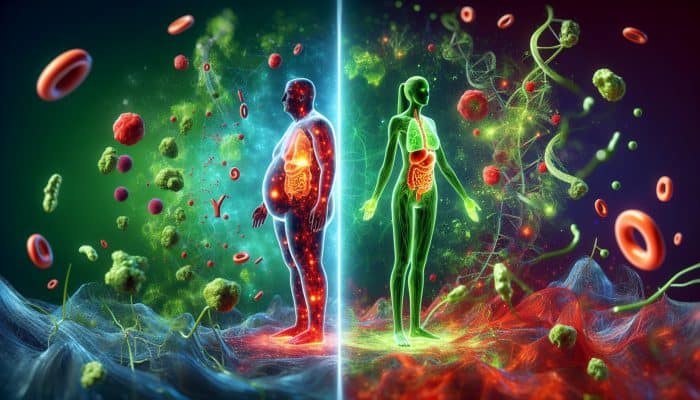
Understanding the Biological Mechanisms Influencing Weight Regulation
The intricate relationship between hormone imbalance and weight management encompasses various biological mechanisms, particularly relevant for the UK population. Hormones such as cortisol, often termed the stress hormone, play a vital role in regulating body weight. Elevated cortisol levels, typically resulting from chronic stress, can incite increased appetite and cravings for unhealthy foods, especially sugary snacks.
Research indicates that cortisol release triggered by stress not only disrupts metabolic processes but also encourages the accumulation of visceral fat, particularly around the abdomen. This is increasingly concerning in the UK, where rising obesity rates correlate with heightened stress levels across multiple demographics. Additionally, hormonal changes during menopause, such as decreased oestrogen levels, can lead to weight gain by altering fat distribution and metabolism.
What weight changes are frequently documented among individuals in the UK?
In the UK, specific weight changes associated with hormonal imbalances have been recorded through comprehensive health surveys. Many adults report experiencing unexplained weight gain or difficulties in losing weight, particularly during their midlife years. This occurrence is notably pronounced among women in perimenopause, where fluctuations in hormone levels can lead to significant alterations in body composition.
NHS health surveys indicate that certain demographics, especially women aged 45-55, exhibit a marked increase in Body Mass Index (BMI), demonstrating a clear link between hormonal changes and weight gain. Furthermore, men with low testosterone levels also report weight gain, illustrating that hormonal imbalances can affect both genders. Recognising these patterns can facilitate early intervention and the development of effective management strategies.
What effective prevention strategies exist for individuals facing hormonal issues?

Maintaining hormonal balance is crucial in preventing weight gain and effectively managing existing issues. The UK offers various recommendations for individuals seeking to alleviate the effects of hormonal imbalances. Embracing a balanced diet rich in whole foods, including fruits, vegetables, and lean proteins, is essential for supporting hormonal health. Reducing the intake of processed foods, which are often laden with high levels of sugars and unhealthy fats, can also yield significant positive impacts.
Moreover, engaging in regular physical activity, as endorsed by NHS guidelines, is vital. Participating in at least 150 minutes of moderate-intensity exercise each week is beneficial for regulating hormone levels and promoting weight management. Beyond dietary and exercise modifications, adopting stress-reduction techniques, such as mindfulness, yoga, and ensuring adequate sleep, can greatly enhance hormonal balance. Implementing these lifestyle changes not only aids in long-term weight control but also enhances overall health and well-being.
How are weight-related hormone imbalances diagnosed?
In the UK, diagnosing hormone imbalances that affect weight typically involves consultations with general practitioners (GPs) and may necessitate specific blood tests to evaluate hormone levels. Following NICE guidelines, GPs assess symptoms such as unexplained weight gain, fatigue, and mood changes to identify potential underlying conditions, including hypothyroidism or polycystic ovarian syndrome (PCOS).
Early detection is crucial, as conditions like hypothyroidism can lead to substantial weight gain and related health complications if not addressed promptly. British endocrinology studies affirm that timely intervention can enhance the management of these conditions, underscoring the importance of regular health check-ups, particularly for individuals experiencing persistent symptoms.
Exploring the Treatment Options for Weight Gain Due to Hormonal Imbalances
The UK provides a variety of treatment options to manage hormone imbalances that contribute to weight gain. These options encompass medications, lifestyle modifications, and specialised care through the NHS. Hormonal therapies, such as thyroid hormone replacement for hypothyroidism or hormonal contraceptives for managing PCOS, have proven effective in regulating weight and alleviating associated symptoms.
Evidence from British clinical trials underscores the effectiveness of therapies aimed at regulating cortisol levels, as elevated cortisol is frequently linked to weight gain. Lifestyle interventions, including customised diet and exercise programmes, are also recommended, as they can significantly assist in long-term weight control and overall health improvements. Collaborating with healthcare professionals ensures individuals receive comprehensive, personalised care tailored to their specific needs.
Expert Insights: Can Hormone Imbalance Lead to Weight Concerns?
What expert guidance exists regarding this issue in the UK?
Expert recommendations from UK endocrinologists emphasise the significance of recognising and addressing weight gain associated with hormonal imbalances. Many specialists advocate for a holistic approach that combines medical treatment with lifestyle modifications. For instance, NHS clinics have initiated programmes to educate patients about the connection between hormones and weight management.
Real-world examples from these clinics illustrate successful interventions, such as tailored diet plans and exercise regimens designed to meet individual needs. This comprehensive approach not only addresses weight concerns but also fosters overall hormonal health. Expert recommendations highlight that early intervention and patient education are crucial for effective management, encouraging individuals to seek professional advice if they suspect hormonal imbalances.
What findings do local studies reveal about hormone-related weight management?
Local studies conducted in the UK have provided valuable insights into the effects of hormones on weight management. Research indicates that individuals with hormone-related conditions often face significant challenges in losing weight compared to those without such imbalances. Actionable steps derived from British medical reports advocate for integrating hormone testing into routine health assessments, particularly for those experiencing unexplained weight fluctuations.
Moreover, findings suggest that community-based initiatives aimed at raising awareness and educating the public about hormone health can effectively support individuals in managing their weight. By promoting an understanding of hormonal functions and their metabolic impact, these initiatives empower individuals to take proactive steps toward maintaining hormonal balance.
What professional treatments and support options are available for those affected?
Healthcare professionals in the UK offer a wide range of treatments and support options for individuals struggling with weight issues related to hormonal imbalances. These options may include therapies such as hormone replacement therapy (HRT) for menopausal women, which has demonstrated effectiveness in alleviating symptoms associated with weight gain. Specialised clinics also provide comprehensive support, encompassing psychological counselling, nutrition advice, and fitness programmes.
Expert evaluations of success rates within the British healthcare system indicate that individuals who engage in multi-faceted treatment strategies often experience more significant improvements. The collaborative approaches employed by specialists not only address the physical aspects of hormone imbalances but also tackle mental health, paving the way for a sustainable journey towards effective weight management.
What expert guidelines exist for lifestyle changes to support hormonal balance?
Expert recommendations from UK health organisations stress the importance of adopting healthy lifestyle changes to effectively manage hormone imbalances. Diet and exercise form the cornerstone of maintaining hormonal balance and preventing weight gain. UK experts encourage individuals to increase their intake of whole foods, including fruits, vegetables, and lean proteins, while minimising processed and sugary foods.
Additionally, engaging in regular physical activities, such as aerobic exercises or strength training, is advised to help regulate hormones and support weight management. Practical advice from British health organisations includes developing structured meal plans and setting achievable fitness goals, enabling individuals to cultivate sustainable habits that promote long-term health and well-being.
What do patient experiences and expert analyses reveal about hormonal weight issues?
Examining case studies from UK patients dealing with hormone-related weight challenges provides valuable insights into effective management strategies. Many individuals report notable improvements in their weight and overall health after adhering to personalised treatment plans developed in collaboration with healthcare professionals. British specialists frequently emphasise the importance of tailoring interventions to meet individual needs, considering factors such as age, lifestyle, and specific hormonal challenges.
Lessons learned from these cases underline the necessity for ongoing support and education to empower patients in understanding hormonal health. This personalised approach fosters empowerment, enabling individuals to take control of their health through informed decision-making and effective management strategies.
Research-Backed Benefits of Addressing Hormonal Imbalances for Successful Weight Management
What are the key advantages of early detection of hormone imbalances in the UK?
Research conducted in the UK highlights the substantial benefits of early identification of hormone imbalances, particularly concerning weight management. Timely interventions can enhance health outcomes and decrease the risk of obesity-related diseases, such as diabetes and cardiovascular conditions. Studies indicate that individuals who pursue treatment early tend to achieve faster weight loss and improved overall health compared to those who delay seeking help.
Local studies reveal that early diagnosis enables patients to adopt integrated treatment strategies that combine medical therapies with lifestyle changes, leading to sustained weight control. These findings underscore the necessity for regular health assessments and awareness surrounding hormonal health, encouraging individuals to promptly seek medical advice when experiencing symptoms.
How do treatments enhance overall health outcomes in the UK?
Treatment for hormone imbalances extends beyond weight management, offering numerous health benefits for individuals in the UK. Effectively managing these conditions can lead to reductions in obesity rates, lower cholesterol levels, and improved metabolic health. Key health improvements observed include:
- Lower BMI among individuals undergoing treatment.
- Enhanced cardiovascular health, characterised by reduced risk factors.
- Improved metabolic function, facilitating weight loss.
- Enhanced mental health outcomes, including reduced anxiety.
- Increased energy levels contribute to more active lifestyles.
- Improved sleep quality, which supports overall well-being.
These health advancements reflect the comprehensive benefits of addressing hormone imbalances, highlighting the necessity for appropriate treatment.
What long-term benefits can residents in the UK expect?
Prioritising sustained weight control through hormone therapy offers numerous long-term advantages for UK residents. Effectively managing hormonal issues not only aids in weight loss but also promotes overall health and well-being. Insights from national health trends indicate that individuals who maintain hormonal balance are less likely to encounter weight-related health complications in the future.
Moreover, expert recommendations suggest that a long-term commitment to healthy lifestyle practices, combined with hormonal treatments, can enhance quality of life and longevity. Such benefits reinforce the critical need for individuals to prioritise their hormonal health as a fundamental element of their overall wellness strategy.
What evidence do UK studies provide regarding hormone therapies for effective weight control?
Analysis of British research data reveals a strong correlation between hormone therapy and successful weight management. Studies demonstrate that individuals undergoing hormone replacement therapy (HRT) experience significant weight loss and symptom relief compared to those who do not receive treatment. These therapies alleviate symptoms associated with hormonal imbalances, facilitating easier maintenance of a healthy weight.
Statistics from UK health organisations illustrate that patients receiving hormone therapy report improved metabolic rates and enhanced fat distribution. This evidence underscores the effectiveness of these treatments in managing weight and addressing the health challenges linked to hormone imbalances.
What psychological benefits arise from addressing hormone imbalances in the UK?
Research focusing on the psychological implications of hormone imbalances highlights the significant benefits of addressing these issues for mental health. Individuals facing hormone-related weight challenges frequently report improvements in mood stability and decreased anxiety levels following appropriate treatment. Studies from national psychological associations in the UK suggest that effective management of hormonal health correlates with an enhanced quality of life.
Addressing hormone imbalances can also contribute to increased self-esteem and confidence, especially as patients observe positive changes in body composition and overall well-being. These psychological advantages further emphasise the critical importance of hormonal health in achieving a balanced and fulfilling life.
Recognising Signs of Hormone-Related Weight Gain
What are the primary early indicators to observe in the UK?
Identifying the signs of hormone-related weight gain is crucial for timely intervention. Common indicators among British adults include unexplained weight gain, fatigue, and mood fluctuations. Data from UK health organisations reveal that a substantial number of adults experience these symptoms without realising their hormonal origins.
Additional signs to monitor include changes in sleep patterns, increased cravings for sugary foods, and irregular menstrual cycles in women. Being aware of these early indicators empowers individuals to seek medical advice promptly, significantly improving outcomes and management of their condition.
Is weight gain always associated with hormonal issues in the UK?
Weight gain is not exclusively linked to hormonal issues, as various factors can contribute to changes in body composition. In the UK, lifestyle choices, such as diet, levels of physical activity, and stress, play critical roles in weight management. Expert analysis indicates that understanding the interplay between hormonal and external factors is essential for effective weight management.
Local case studies demonstrate that while hormonal imbalances can significantly influence weight, addressing lifestyle factors remains equally paramount. Modifications in lifestyle, including improved dietary habits and increased physical activity, can assist in mitigating weight gain, even amidst hormonal fluctuations.
How to Effectively Monitor and Track Changes Related to Hormonal Imbalances
Effectively monitoring and tracking changes connected to hormone imbalances is vital for early detection and management. In the UK, methods such as journaling and the utilisation of health apps have gained popularity among individuals aiming to comprehend their weight fluctuations. These tools enable users to document their food intake, exercise routines, and mood changes, providing valuable insights that can guide discussions with healthcare professionals.
Moreover, adhering to actionable steps based on British medical advice, such as regular health screenings and hormone testing, can enhance monitoring efforts. By systematically tracking changes, individuals can identify patterns indicative of hormonal issues, facilitating early intervention and effective health management.
Strategies for Achieving Hormonal Balance
What natural approaches support hormone balance in daily life across the UK?
Incorporating natural strategies into everyday routines can significantly promote hormonal balance. In the UK, adopting dietary practices that emphasise whole, unprocessed foods is crucial. This entails increasing the intake of fruits, vegetables, whole grains, and lean proteins while reducing refined sugars and trans fats. Such dietary adjustments can help regulate hormones naturally and enhance overall health.
Regular physical activity represents another natural strategy for maintaining hormonal balance. Engaging in activities like walking, cycling, or participating in group fitness classes can alleviate stress and improve mood, both of which are essential for hormonal health. Integrating these practices into daily life fosters a holistic approach to well-being, encouraging stability and balance.
What medical interventions are available for hormonal management?
In the UK, a variety of medical interventions are available for hormone management. The NHS provides an array of treatment options, including hormonal therapies, medications, and lifestyle programmes designed to address hormone-related issues. Specialists play a pivotal role in diagnosing and treating these conditions, offering patients comprehensive care tailored to their unique needs.
Medical professionals frequently recommend that these interventions be complemented by lifestyle modifications, emphasising a multi-faceted approach to hormone management. This collaboration ensures that patients receive cohesive support, maximising treatment effectiveness and promoting long-term well-being.
How to Maintain Hormonal Balance for Long-Term Health?
Maintaining hormonal balance is vital for long-term health, particularly as individuals age. In the UK, prioritising lifestyle habits that support hormonal stability can enhance health outcomes. Consistent dietary practices, regular physical activity, and effective stress-management techniques are essential for maintaining balance.
Insights from national wellness programmes highlight the significance of these habits, as they support hormonal health and contribute to overall physical and mental well-being. By prioritising these strategies, individuals can significantly improve their quality of life and mitigate the risks associated with hormonal imbalances.
What stress management techniques can aid in achieving hormonal balance?
Incorporating stress-management techniques into daily routines is crucial for achieving hormonal stability. In the UK, practices such as mindfulness meditation, yoga, and deep-breathing exercises have gained popularity for their effectiveness in lowering cortisol levels. These methods empower individuals to manage stress, a significant contributor to hormonal imbalances.
By reducing cortisol through these techniques, individuals can promote hormonal balance, decrease cravings, and enhance overall health. By prioritising stress management, individuals can support their hormonal health, ultimately facilitating more effective weight management and improving overall well-being.
Frequently Asked Questions About Hormone Imbalances
What are the primary symptoms of hormone imbalance?
Common symptoms include fatigue, mood swings, weight fluctuations, irregular menstrual cycles, and sleep disturbances. Recognising these symptoms early permits effective management and timely intervention.
Can diet influence hormone balance?
Absolutely. A well-balanced diet rich in whole foods and low in processed sugars and unhealthy fats can significantly impact hormonal health and stability.
At what age do hormone imbalances typically begin to manifest?
Hormone imbalances can occur at any age but are particularly prevalent during puberty, pregnancy, and menopause, affecting both men and women.
How is hormone imbalance diagnosed in the UK?
Diagnosis typically involves consultations with GPs, blood tests, and symptom assessments, following NICE guidelines for hormone-related conditions.
What lifestyle changes can assist in balancing hormones?
Incorporating regular exercise, a nutritious diet, effective stress-management techniques, and ensuring sufficient sleep can help maintain hormonal balance.
Are effective treatments available for hormone-induced weight gain?
Yes, treatment options may encompass hormonal therapies, lifestyle interventions, and medications, all tailored to meet individual needs for optimal management.
How long does it usually take to notice improvements in hormonal balance?
Improvements can vary; however, many individuals notice positive changes within weeks to a couple of months after implementing lifestyle changes or commencing treatments.
What role does stress play in hormonal imbalance?
Stress can elevate cortisol levels, disrupting hormonal balance and contributing to weight gain as well as other health complications.
Is long-term hormone therapy considered safe?
While hormone therapy can be effective, its safety and appropriateness depend on individual circumstances, necessitating ongoing consultations with healthcare professionals.
Can hormone imbalances affect mental health?
Yes, hormone imbalances can significantly impact mental health, leading to symptoms such as anxiety and depression, highlighting the need for comprehensive treatment approaches.
Connect with us on Facebook today!
This Article Was Originally Published On https://bloodtest.co.uk
The Article Hormone Imbalance and Its Impact on Weight Issues: Insights Was Found On https://limitsofstrategy.com