Essential Nutrients for Optimising Skin Health in the UK
Discover How Vitamins Can Fortify Your Skin Barrier
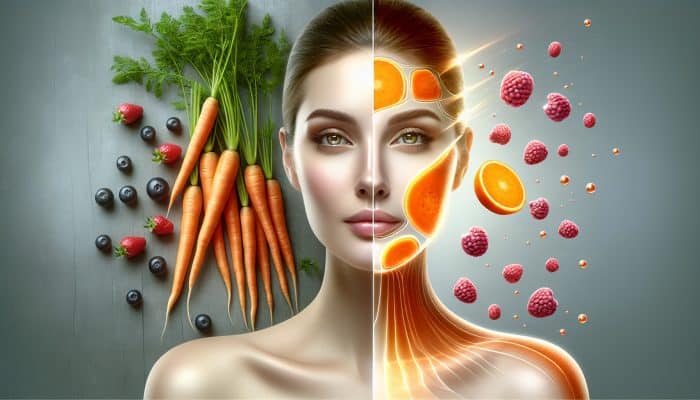
Nutrition for Skin Health: Maintaining a robust skin barrier is crucial in the UK, and vitamins are integral to this process. Essential vitamins, such as A and C, which can be sourced from local produce like carrots and berries, are vital for preserving skin integrity. These nutrients work synergistically to prevent moisture loss, keeping your skin hydrated while minimising dryness and irritation. The NHS advocates for the inclusion of these vitamins in your daily diet, as they not only bolster skin health but also enhance overall well-being. Their significance cannot be overstated, as they are instrumental in skin repair and collagen production, both crucial for maintaining youthful skin.
To ensure you receive adequate amounts of these essential vitamins, aim to incorporate a diverse range of fruits and vegetables into your meals. For example, snacking on raw carrots or adding a handful of berries to your breakfast cereal can greatly strengthen your skin's natural barrier. This nutrient synergy not only promotes skin health but also offers a multitude of other benefits, making these foods indispensable components of a balanced, nutritious diet.
What Are the Most Effective Strategies for Adding Antioxidants to Your UK Diet?
Antioxidants play a crucial role in combating skin aging, especially against environmental stressors that can damage your skin. Fortunately, in the UK, obtaining antioxidants is both advantageous and straightforward due to the diverse availability of local fruits. For instance, blackberries and other berries are abundant in antioxidants that neutralise free radicals, which can harm the skin. By incorporating these superfoods into your diet, you can significantly enhance your skin's resilience against oxidative stress.
- Blackberries
- Blueberries
- Spinach
- Red cabbage
- Artichokes
- Beetroot
- Dark chocolate
- Green tea
These foods not only provide a wealth of antioxidants but also contain a variety of other nutrients beneficial for skin health, underscoring the importance of a varied diet. Integrating these nutrient-dense superfoods into your daily meals can be as simple as blending blackberries into your morning smoothie or enjoying a spinach salad topped with beetroot at lunch. The key is to make these nutrient-rich foods a staple in your diet to ensure optimal skin health.
How Do Omega-3 Fatty Acids Influence Skin Hydration?
Omega-3 fatty acids play a vital role in maintaining skin hydration, particularly in the UK’s often cool climate. Foods rich in omega-3s, such as mackerel, salmon, and walnuts, assist in moisture retention while reducing inflammation. This is especially critical for individuals experiencing dry skin or eczema, as poor dietary choices can worsen these conditions.
To easily incorporate omega-3-rich foods into your meals, consider making simple adjustments. For instance, including grilled mackerel in your weekly meal plan or snacking on walnuts can yield significant benefits. Research consistently indicates that increasing omega-3 intake enhances skin barrier function, highlighting its essential role in skin health. By adopting these dietary strategies, you can boost your skin’s hydration and overall appearance.
Why Is Zinc an Indispensable Nutrient for Skin Health in the UK?

Zinc is a fundamental mineral crucial for skin health, playing a significant role in skin repair and immune function. In the UK, excellent sources of zinc include red meat, pumpkin seeds, and chickpeas. These foods not only provide zinc but also contribute to a balanced diet that supports skin health. The benefits of zinc include its ability to combat acne and prevent infections, making it a vital nutrient for those looking to improve their skin condition.
Incorporating zinc-rich foods into your meals is simple. For instance, you might add pumpkin seeds to your breakfast cereal or enjoy a chickpea salad for lunch. These dietary choices not only elevate your zinc levels but also deliver various other nutrients that support skin health. By prioritising these foods, you can aid your skin’s natural healing processes and enhance its resilience against external aggressors.
How Does Your Daily Diet Impact Skin Health in the UK?
Exploring Dietary Influences That Affect Skin Through Common UK Eating Habits
The connection between diet and skin health is profound, particularly regarding everyday eating habits in the UK. Diets high in processed foods can lead to various skin issues, including acne and premature ageing. The typical UK diet, often characterised by convenience foods, frequently lacks the essential nutrients required for optimal skin health. This stark contrast emphasises the necessity for a more balanced approach that incorporates fresh, local options to optimise skin vitality.
To counteract the negative effects of processed foods, it is crucial to boost your intake of whole foods. This can include an array of fruits, vegetables, whole grains, and lean proteins. By focusing on nutrient-rich alternatives, you can provide your skin with the vitamins and minerals it needs to function optimally. A general guideline is to fill half your plate with plant-based foods while reducing processed snacks and meals. This straightforward yet effective shift can result in significant improvements in skin condition over time.
What Nutritional Deficiencies Are Commonly Linked to Poor Skin Health?

In the UK, common nutritional deficiencies are often closely associated with poor skin health, with iron deficiencies being a significant concern. Iron deficiency can result in a pale complexion, increased susceptibility to infections, and delayed wound healing. Surveys in the UK indicate that a significant portion of the population may not meet their daily iron requirements, contributing to various skin issues.
Addressing iron deficiencies involves incorporating iron-rich foods into your daily diet. Excellent sources include red meat, lentils, and dark leafy greens. Pairing these foods with vitamin C-rich options, such as citrus fruits or bell peppers, can significantly enhance iron absorption. Additionally, being mindful of your dietary choices can lead to noticeable improvements in skin health, underscoring the direct relationship between nutrition and skin vitality.
How Can You Construct Balanced Meals to Achieve Radiant Skin?
Achieving a glowing complexion often reflects one's overall dietary balance. Including UK staples like oats in your meals can elevate skin radiance by providing essential nutrients such as B vitamins and fibre. These dietary components collaborate to support skin health and regulate blood sugar levels, which can influence skin clarity.
To effectively balance your meals for optimal skin outcomes, consider developing a meal plan that prioritises whole foods. Start your day with a hearty bowl of porridge topped with seasonal fruits, or choose an oat-based snack to maintain steady energy levels. By emphasising a variety of nutrient-dense foods, you can cultivate a diet that not only supports your skin but also promotes overall well-being.
Expert Insights on Nutrition for Achieving Optimal Skin Health
Case Studies Highlighting UK Dietary Strategies for Skin Improvement
Professional evaluations from UK clinics suggest that adhering to NHS-recommended dietary plans can lead to significant improvements in skin health. These plans typically underscore the importance of consuming whole foods rich in essential nutrients to support skin integrity. For instance, clients who embraced a diet abundant in fruits, vegetables, whole grains, and healthy fats reported enhancements in skin clarity and hydration.
Case studies from various UK dermatology clinics indicate that patients who followed these dietary recommendations experienced fewer acne flare-ups and improved overall skin texture. This highlights the effectiveness of a nutrient-rich diet in managing skin concerns. By adopting similar dietary principles, individuals can take proactive steps toward healthier skin, illustrating the powerful link between nutrition and dermatological health.
What Proven Methods Can Enhance Nutrient Absorption?
To optimise nutrient absorption from your diet, experts recommend timing meals with seasonal local produce. Consuming foods that are in season not only enhances flavour but also ensures you are eating them at their peak nutritional value. This consideration is particularly relevant in the UK, where seasonal availability can greatly influence dietary choices.
One effective strategy is to prepare meals that combine various food groups, such as pairing lean proteins with colourful vegetables and healthy fats. For instance, a grilled salmon salad with mixed greens and avocado provides a wealth of nutrients that support skin health. Furthermore, cooking methods like steaming or roasting can help retain nutrients in these foods. Implementing these evidence-based practices can significantly enhance your skin's health and appearance.
How Can You Adopt Seasonal Eating to Optimise Skin Health?
Seasonal eating is a key strategy for optimising skin health, with UK experts highlighting the benefits of winter vegetables. Vegetables such as Brussels sprouts, carrots, and cabbage are not only rich in vitamins and minerals but also abundant in antioxidants that support skin health. These nutrient-dense foods help combat seasonal skin issues, such as dryness and irritation, which are prevalent during colder months.
- Brussels sprouts
- Carrots
- Cabbage
- Turnips
- Squash
- Parsnips
- Leeks
- Sweet potatoes
Integrating these seasonal foods into your diet is straightforward; consider adding them to hearty soups and stews that are ideal for winter. By making seasonal eating a regular practice, you not only support your skin's health but also contribute to a more sustainable and varied diet throughout the year.
What Advantages Does Proper Nutrition Offer for Skin Health?
How Can UK-Specific Foods Enhance Skin Elasticity?
Improving skin elasticity is essential for sustaining a youthful appearance, and in the UK, collagen support from local meats plays a significant role in achieving this. Research indicates that high-quality collagen sources, such as chicken and beef, can substantially diminish the visibility of wrinkles and improve skin texture. The amino acids present in these meats are critical for collagen synthesis, making them indispensable for skin health.
Integrating these foods into your diet can be as simple as including a serving of grilled chicken at dinner or enjoying a beef stew. Additionally, considering collagen supplements derived from these sources can also yield benefits. By prioritising these collagen-rich foods, you can enhance skin elasticity and promote a more youthful complexion, emphasising the profound impact of diet on skin health.
What Herbal Options Can Help Relieve Inflammation?
Herbs have long been esteemed for their health benefits, and in the UK, nettle stands out as a herbal ally in soothing skin inflammation. Nettle boasts anti-inflammatory properties that may assist individuals with skin conditions such as eczema or psoriasis. British studies have underscored the efficacy of herbal remedies in alleviating skin irritations and promoting overall skin health.
Integrating nettle into your diet can be as simple as brewing a calming herbal tea or incorporating it into soups and stews. This not only provides relief but also enriches your diet with antioxidants and essential nutrients. By including herbs in your nutritional regimen, you can significantly bolster your skin's resilience and appearance.
What Are the Long-Term Effects of Nutrition on Skin Aging?
Preventing premature aging is a primary concern for many individuals, and nutrition plays a crucial role in this process. Within the UK context, nutrition derived from local sources can significantly slow the aging process of the skin. Consuming a diet rich in antioxidants, vitamins, and minerals provides the necessary defence against environmental stressors that contribute to aging.
Real-life examples illustrate the long-term benefits of proper nutrition on skin health. Individuals who have embraced nutrient-dense diets report fewer signs of aging and improved skin texture over time. This highlights the importance of maintaining a balanced diet, rich in whole foods, that protects against oxidative damage, demonstrating how consistent nutritional habits can lead to sustained skin vitality.
Evidence-Based Benefits of Nutrition for Skin Health
What Do Recent UK Studies Reveal About the Effects of Vitamins?
Recent trials in the UK have demonstrated that vitamin D, obtained from both sunlight and diet, plays a crucial role in skin repair. Studies suggest that maintaining adequate vitamin D levels can enhance skin barrier function and promote overall skin health. The implications of these findings underscore the importance of ensuring sufficient vitamin D intake, especially during the colder months when sunlight exposure is limited.
To harness the advantages of vitamin D, consider incorporating foods such as fatty fish, egg yolks, and fortified products into your diet. This proactive approach not only supports skin repair but also contributes to overall health, reinforcing the vital connection between nutrition and skin vitality.
How Do Fibre-Rich UK Foods Enhance Skin Clarity?
A diet high in fibre is essential for promoting skin clarity. In the UK, including fibre-rich foods such as whole grains, fruits, and vegetables can lead to noticeable improvements in skin condition. Fibre aids in regulating blood sugar levels, which can directly impact acne and other skin issues.
To effectively increase fibre in your meals, consider swapping white bread for whole-grain alternatives or adding a variety of fruits and vegetables. Not only does this approach promote digestive health, but it can also lead to clearer, healthier skin over time. Prioritising fibre in your diet is a powerful strategy for addressing skin concerns and enhancing overall health.
How to Incorporate Findings Into Your Daily Routine?
The connection between gut health and skin health is increasingly acknowledged, with research-backed findings indicating that probiotics can significantly enhance skin clarity. In the UK, including probiotic-rich foods such as yoghurt, kimchi, and sauerkraut into your daily routine can offer multiple benefits for skin appearance.
To effectively implement these findings, aim to include a source of probiotics in each meal. This can be as simple as adding a dollop of natural yoghurt to your breakfast or including fermented vegetables as a side dish. By prioritising these strategies, you can enhance gut health, which is essential for supporting vibrant, healthy skin.
Why Is Hydration Essential for Skin Nutrition?
Understanding the Significance of Water Intake in UK Climates
Hydration is crucial for maintaining skin moisture, especially in the UK's variable climate. Adequate water intake helps prevent dryness and supports skin elasticity. In the UK, where the weather can be unpredictable, ensuring proper hydration is vital for skin health.
Experts recommend consuming 1.5 to 2 litres of water daily, adjusted according to individual activity levels and climate conditions. Including hydrating foods such as soups, fruits, and vegetables can also contribute to your daily fluid intake. By prioritising hydration, you can significantly enhance your skin’s texture and overall appearance, emphasising the necessity of water for maintaining optimal skin health.
What Are the Advantages of Herbal Teas for the Skin Barrier?
Herbal infusions can offer numerous advantages for skin health, with various UK herbal teas enhancing hydration and alleviating dryness. Varieties such as chamomile and peppermint are well-known for their soothing properties and can assist in maintaining skin moisture levels. These teas not only contribute to hydration but also provide antioxidants that support skin repair and resilience.
Incorporating herbal teas into your daily routine can be both enjoyable and beneficial. Consider sipping a cup of chamomile tea in the evening or enjoying peppermint tea during the day. This simple addition can strengthen your skin barrier while providing a calming ritual to your daily routine.
How to Harmonise Fluid Intake with UK Dietary Practices?
Balancing fluid intake with dietary habits is essential for combating skin dullness in the UK. Consuming adequate fluids, including water and herbal teas, can synergistically improve skin health. It is important to remember that many foods, particularly fruits and vegetables, also contribute to hydration.
To ensure proper hydration, aim to include a variety of hydrating foods in your diet and drink water consistently throughout the day. This integrated approach will help maintain your skin’s radiance and prevent dryness, reinforcing the vital connection between hydration and skin nutrition.
Which Common UK Foods Promote Skin Health?
Which Vegetables Provide Antioxidant Protection?
Incorporating UK-grown vegetables into your diet offers essential antioxidant protection for your skin. Vegetables like kale and broccoli are rich in vitamins and packed with antioxidants that combat oxidative stress. This is particularly important for preserving skin health in urban environments, where pollution can exacerbate skin concerns.
To maximise the benefits of these vegetables, aim to include them regularly in your meals. Whether you prefer to steam, roast, or toss them into salads, these nutrient-dense options can significantly enhance your diet and promote healthier skin. Emphasising the consumption of a variety of colourful vegetables ensures you receive a broad spectrum of nutrients beneficial for skin vitality.
Which Proteins Are Most Effective for Skin Repair?
Proteins are essential for skin repair, and UK-sourced options such as eggs are particularly advantageous. Eggs are rich in high-quality protein and essential amino acids that aid in tissue regeneration, making them a powerhouse for skin health. Including eggs in your diet can help repair skin damage and facilitate healing, especially after exposure to environmental stressors.
Simple ways to incorporate eggs into your meals include enjoying them poached on toast or adding them to salads and stir-fries. By focusing on protein-rich foods like eggs, you can enhance your skin's capacity to recover from damage and sustain its overall health, highlighting the significance of quality protein in your diet.
Which Dairy Alternatives Are Best for Sensitive Skin Types?
For individuals with sensitive skin, dairy alternatives available in the UK, such as oat milk, provide nourishing options without the irritation that some dairy products may cause. Oat milk is not only creamy and delicious but also rich in vitamins and minerals that support skin hydration.
Incorporating oat milk into your diet can be effortless; consider using it in smoothies, coffee, or baking. This alternative caters to sensitive skin types and aligns with the growing trend towards plant-based diets. By selecting dairy alternatives, you can nourish your skin while avoiding potential irritants, showcasing the versatility of modern dietary choices.
Which Fruits Are Packed with Vitamins for Radiant Skin?
In the UK, native fruits such as blackberries and apples serve as excellent sources of vitamins and antioxidants crucial for achieving glowing skin. These fruits provide essential nutrients that enhance skin hydration and protect against damage. Their natural sweetness makes them an appealing choice for snacks or meal additions.
Incorporating these fruits into your diet can be as simple as adding a handful of blackberries to your morning yoghurt or enjoying sliced apples as a midday snack. By prioritising these vitamin-rich fruits, you can improve your complexion and overall skin health, emphasising the importance of natural food sources in your dietary choices.
What Practical Strategies Can Enhance Skin Nutrition in the UK?
How to Create a Balanced Meal Plan Focused on Skin Health?
Establishing a balanced meal plan centred on skin health is essential for achieving optimal results. Start by incorporating local ingredients into each meal to enhance skin vitality. By focusing on whole foods, you can boost your skin health while enjoying delicious meals.
A practical approach is to plan your meals around seasonal produce. This not only ensures freshness but also maximises nutritional content. Aim to fill your plate with a variety of colourful fruits and vegetables, lean proteins, and healthy fats. Simple routines, such as meal prepping for the week ahead, can help maintain this balance and streamline your efforts, ultimately leading to healthier skin over time.
What Should You Monitor in Dietary Changes to See Visible Results?
Tracking dietary changes and their effects on skin health can offer valuable insights. Signs of improved skin resulting from nutritional adjustments may include fewer blemishes, increased moisture, and enhanced radiance. In the UK, individuals who actively monitor these changes frequently report better outcomes.
To effectively observe changes, consider maintaining a food diary that logs meals and any variations in skin condition. This practice can help identify which dietary choices positively or negatively affect your skin. By being mindful of your diet, you can make informed adjustments that lead to noticeable improvements in skin condition over time.
How to Sustain Healthy Habits Throughout the UK Seasons?
Adapting nutrition for skin throughout the UK's diverse seasons is vital for maintaining skin health. As the weather changes, so do the skin’s needs; therefore, it is essential to adjust your dietary habits accordingly. For instance, incorporating hearty, warming foods in winter while focusing on fresh, hydrating options in summer can support skin vitality.
Developing strategies for long-term maintenance involves seeking out seasonal produce and experimenting with new recipes that utilise these ingredients. This approach not only keeps your meals exciting but also ensures you continuously provide your skin with the nutrients it requires year-round. By maintaining these habits throughout the year, you can support skin health and vitality.
FAQs
What Are the Most Beneficial Vitamins for Preserving Healthy Skin?
The most beneficial vitamins for skin health include A, C, E, and D, which support skin integrity, promote healing, and provide antioxidant protection. Incorporating these vitamins through a balanced diet rich in fruits and vegetables is essential for optimal skin health.
How Does Your Diet Influence Acne Breakouts?
Your diet can significantly affect acne through factors such as insulin levels and inflammation. Foods with a high glycaemic index can spike insulin, potentially leading to increased oil production and breakouts. A balanced diet low in processed foods can help manage acne effectively.
Are There Specific Foods to Avoid for Improved Skin Health?
Yes, foods high in sugar and unhealthy fats should be avoided to enhance skin health. These can exacerbate inflammation and lead to skin issues such as acne and premature ageing. Focusing on whole foods can promote better skin health.
How Much Water Should You Consume for Healthy Skin?
To encourage healthy skin, it is generally recommended to drink 1.5-2 litres of water daily. Adequate hydration helps maintain skin moisture and elasticity, which is essential for overall skin health and vitality.
Can Supplements Assist in Enhancing Skin Health?
Supplements can improve skin health, particularly if you have deficiencies in vitamins or minerals. Supplements such as omega-3 fatty acids, collagen, and vitamins C and E can support skin vitality when combined with a balanced diet.
What Role Do Omega-3 Fatty Acids Play in Supporting Skin Health?
Omega-3 fatty acids are crucial for maintaining skin health by promoting hydration and minimising inflammation. Foods rich in omega-3, such as fatty fish, help maintain skin moisture and can alleviate conditions like eczema and dryness.
Which Fruits Are Best for Hydrating the Skin?
Fruits like watermelon, cucumber, and berries are excellent for skin hydration. Their high water content and essential vitamins promote moisture retention and overall skin health.
How Can You Boost Collagen Levels Through Your Diet?
To enhance collagen levels via diet, include foods rich in vitamin C (like oranges and strawberries), amino acids (from protein sources), and collagen-boosting foods like bone broth. These nutrients work synergistically to support collagen production and skin elasticity.
What Are Some Indicators of Nutrient Deficiency in the Skin?
Indicators of nutrient deficiency in the skin include dryness, dullness, increased sensitivity, and a propensity to break out. Observing these changes can help identify dietary gaps that need addressing to improve skin health.
How Can You Maintain Skin Health Across the Seasons?
To sustain skin health throughout the seasons, adjust your diet to include seasonal fruits and vegetables, stay hydrated, and modify your skincare routine to suit changing weather conditions. This holistic approach supports ongoing skin vitality.
Join us on Facebook for the latest updates!
The Article Nutrition for Skin Health: Essential Tips for Radiant UK Skin Was First Published On https://acupuncture-frome.co.uk
The Article Nutrition for Skin Health: Key Tips for a Radiant Complexion Was Found On https://limitsofstrategy.com