A Comprehensive Guide to Understanding Cholesterol Levels in Oxford
Essential Screening Procedures for Effective Cholesterol Management
Private Blood Testing for High Cholesterol in Oxford: Residents in Oxford should arrange an appointment with their GP for an initial screening to accurately assess LDL and HDL cholesterol levels. This screening utilises NHS-approved methodologies to ensure results align with UK health regulations. Regular evaluations enhance understanding of individual cholesterol profiles and overall health.
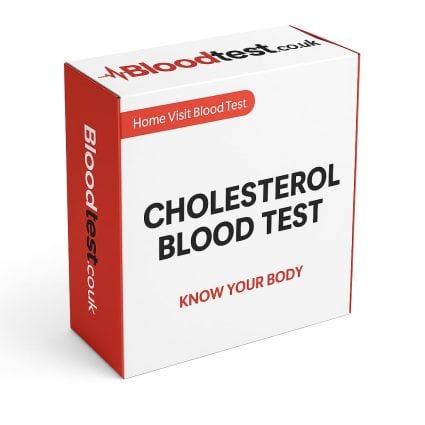

During your initial consultation, your GP will typically inquire about your medical history and any risk factors related to high cholesterol. A physical examination may also be conducted to assess your general health. This comprehensive approach enables a more personalised screening process tailored to individual needs.
Following the blood test, results will indicate your cholesterol levels, including total cholesterol, LDL (often referred to as bad cholesterol), and HDL (commonly known as good cholesterol). Understanding these figures is crucial for evaluating cardiovascular health and determining necessary lifestyle adjustments or treatments.
Cholesterol Testing Services Available in Oxford
Residents of Oxford have access to a variety of clinics for reliable blood draws, ensuring that samples are promptly dispatched to accredited laboratories in accordance with NHS guidelines. The NHS maintains a broad network of facilities equipped to perform cholesterol testing, making it easy for local residents to access these essential services.
Many local clinics offer designated hours for blood testing, minimising wait times and ensuring a smooth experience. Numerous NHS facilities feature online booking systems, allowing patients to schedule appointments at their convenience. This availability is essential for encouraging regular health evaluations.
To NHS services, private clinics in Oxford also offer cholesterol testing, providing alternatives for those seeking a more tailored experience or quicker results. It is important to confirm that these private facilities adhere to NHS standards for accuracy and reliability.
What Factors Influence Cholesterol Test Results?
Diet and lifestyle choices prevalent in the UK can significantly affect cholesterol levels. Consuming high-fat foods, such as full-fat dairy and processed meats, may elevate LDL cholesterol levels. Conversely, a diet rich in fruits, vegetables, and whole grains can promote healthier cholesterol profiles.
Regular physical activity is another critical element in managing cholesterol levels. Engaging in consistent exercise can help increase HDL cholesterol, which is beneficial for heart health. Open discussions about lifestyle habits with healthcare providers can lead to personalised advice that suits your unique circumstances.
Genetics, age, and pre-existing health conditions also play significant roles in determining cholesterol levels. Understanding these factors can empower individuals in Oxford to make informed health choices and collaborate effectively with their healthcare providers on suitable management strategies.
What Are the Advantages of Cholesterol Testing in Oxford?
Benefits of Early Detection of Cholesterol Issues
Regular cholesterol assessments can identify potential health risks before they escalate, supporting long-term heart health management in accordance with British medical guidelines. Early detection of high cholesterol allows for timely interventions that significantly reduce the risk of severe cardiovascular complications.
Being proactive about cholesterol testing empowers individuals to implement lifestyle changes or commence medication sooner, potentially preventing more serious health issues down the line. This proactive strategy aligns with the NHS’s focus on preventative healthcare, ultimately enhancing patient outcomes.
Identifying issues early can also lead to lower healthcare costs over time. Addressing elevated cholesterol levels before they progress to heart disease helps patients avoid expensive treatments and hospital admissions, benefiting both their health and the NHS.
Assessing Treatment Effectiveness with Follow-Up Tests
Follow-up tests enable clinicians to adjust medications based on observed changes in cholesterol levels among patients in Oxford. Continuous monitoring is essential for evaluating the efficacy of prescribed treatments and making necessary tweaks to maximise patient outcomes.
Patients on cholesterol-lowering medications, such as statins, benefit from regular evaluations to ensure their cholesterol levels remain within a healthy range. This ongoing assessment minimises the risk of side effects while enhancing the effectiveness of treatment plans.
During medication reviews, follow-up tests can provide valuable insights into the impact of lifestyle modifications, including dietary changes and exercise routines. Tracking these changes over time is vital for achieving optimal cholesterol levels and overall cardiovascular health.
Key Benefits of Continuous Health Monitoring
- Quickly identify fluctuations in cholesterol levels
- Adapt treatment plans based on individual responses
- Encourage adherence to healthier lifestyle choices
- Lower the risk of cardiovascular diseases
Regular appointments are essential for maintaining optimal cholesterol levels, ensuring individuals stay aligned with their health goals. This ongoing health monitoring is crucial for fostering a proactive approach to cholesterol management and overall well-being.
Accessible Cholesterol Testing Options within the Community
Residents of Oxford benefit from convenient access to advanced testing facilities at local NHS clinics and private providers. These options facilitate timely cholesterol management and contribute to reducing cardiovascular risk through community-driven health initiatives aligned with regional standards.
The presence of testing facilities within the community ensures easier access to healthcare services. Many clinics offer extended hours and flexible scheduling to cater to diverse lifestyles, making it simpler for individuals to prioritise their health.
Community health initiatives often include educational programmes focused on cholesterol management, empowering residents to take charge of their health. These resources are vital in helping individuals understand the importance of regular testing and the strategies they can implement to maintain healthy cholesterol levels.
Expert Insights on Cholesterol Testing in Oxford
Professional Sample Handling Practices
Gain insights into the expert analysis and sample handling protocols employed by specialists in Oxford to ensure consistently reliable outcomes. Proper handling of blood samples is critical for accurate cholesterol testing, as factors such as temperature and timing can significantly influence results.
In Oxford, healthcare professionals are trained to adhere to stringent protocols for blood sample collection and transport. This includes using appropriate containers, maintaining samples at the correct temperature, and ensuring prompt delivery to laboratories for analysis.
By following these established standards, specialists can deliver trustworthy results that inform treatment decisions. This professionalism instils confidence in the healthcare system and ensures that patients receive optimal care for managing their cholesterol levels.
Understanding Cholesterol Test Results According to UK Standards
Learn actionable steps for interpreting cholesterol test results against the benchmarks established by British cardiovascular experts. Cholesterol test results generally include total cholesterol, LDL, HDL, and triglycerides, all measured in millimoles per litre (mmol/L).
Patients should familiarise themselves with the recommended reference ranges for cholesterol levels. For instance, a total cholesterol level below 5.0 mmol/L is typically considered healthy, while LDL levels should ideally be below 3.0 mmol/L. Understanding these figures is crucial for assessing cardiovascular risk.
Consulting with healthcare providers is essential for accurately interpreting results. Doctors can clarify what the numbers mean in the context of individual health, enabling patients to make informed decisions about necessary lifestyle changes or treatments to effectively manage their cholesterol.
What Is the Recommended Frequency for Cholesterol Testing?
The frequency of cholesterol testing is determined by individual risk profiles, making it advisable to seek personalised recommendations from local healthcare practitioners. Those with a history of high cholesterol or cardiovascular disease may require more frequent testing to monitor changes and adjust treatment as needed.
Generally, adults should have their cholesterol levels checked every five years; however, this may vary depending on personal health factors. Individuals with risk factors such as obesity, diabetes, or a family history of heart disease might require more regular evaluations.
Discussing personal health concerns with a GP can assist in establishing the appropriate testing frequency. This tailored approach ensures that individuals in Oxford receive the necessary care to maintain healthy cholesterol levels and reduce the risk of heart-related issues.
Evidence-Based Benefits of Cholesterol Testing in Oxford
Clinical Findings Supporting the Importance of Cholesterol Testing
Utilise real-world examples from UK studies demonstrating the reduction of cardiovascular events through timely testing in Oxford. Research indicates that regular cholesterol screening can significantly lower the incidence of heart attacks and strokes among high-risk individuals.
For instance, a study conducted in Oxford revealed that patients who underwent routine cholesterol testing experienced a 30% lower risk of cardiovascular events compared to those who did not. This underscores the significance of proactive healthcare measures.
Clinical trials also endorse the effectiveness of early intervention strategies. By promptly identifying high cholesterol levels, healthcare providers can implement lifestyle changes or medications that enhance health outcomes for patients in the region.
Improvements in Patient Health Outcomes
Evidence suggests better management when adhering to the health pathways available throughout the region. Patients following recommended cholesterol testing and treatment plans typically achieve improved health outcomes, including reduced rates of cardiovascular disease.
The NHS has established clear guidelines for cholesterol management, emphasising the necessity of regular testing and follow-up care. Patients who engage with these pathways are more likely to meet their health objectives and maintain optimal cholesterol levels.
The integration of technology in healthcare, such as digital health records and online appointment systems, has enhanced patient engagement. This increased accessibility encourages individuals to take an active role in managing their cholesterol and overall health.
Evaluating Available Methods for Cholesterol Testing
Numerous methods exist for cholesterol testing, so it is advisable to discuss options with your doctor to identify the most appropriate approach. The lipid panel is the most common test, measuring total cholesterol, LDL, HDL, and triglycerides from a single blood sample.
Alternative testing methods, such as fingerstick tests, provide rapid results but may lack the detail offered by a comprehensive lipid panel. Discussing the advantages and disadvantages of each option with a healthcare provider can help pinpoint the best approach for individual needs.
Emerging technologies, including home testing kits, are becoming available, allowing individuals to monitor their cholesterol levels conveniently. While these options can be beneficial, it is crucial to ensure they meet NHS standards for accuracy and reliability.
The Cost-Effectiveness of Cholesterol Testing
Research from Oxford University indicates that routine cholesterol testing generates significant savings for the NHS by reducing hospital admissions related to heart conditions. Economic models predict that annual savings will exceed millions of pounds in the region when widely implemented.
By identifying high cholesterol levels early and promoting preventative measures, healthcare providers can considerably ease the burden on the NHS. This proactive approach benefits individual patients and enhances the overall efficiency of the healthcare system.
The cost-effectiveness of regular cholesterol testing extends beyond financial savings. Improved public health outcomes, such as lower rates of heart disease, contribute to a healthier population, ultimately benefiting society as a whole.
Influencing Local Healthcare Policies Regarding Cholesterol Testing
Research findings from regional studies advocate for the implementation of advanced testing protocols in Oxford clinics, enhancing early intervention strategies. These studies demonstrate that timely cholesterol testing can lead to better health outcomes and help shape local healthcare policies.
As evidence accumulates regarding the benefits of regular cholesterol screening, healthcare authorities in Oxford are likely to prioritise these services within the NHS framework. This shift may result in increased funding and resources allocated to preventive care.
Public health campaigns aimed at raising awareness about cholesterol management can further bolster these policies. By educating the community on the importance of regular testing, healthcare providers can help foster a culture of proactive health management in Oxford.
How to Schedule a Cholesterol Test in Oxford
Utilising Online Booking Services for Convenience
Take advantage of NHS digital platforms to conveniently arrange appointments at local Oxford clinics without unnecessary delays. The NHS website features a user-friendly interface for booking blood tests, making it easily accessible for all residents.
Many local clinics also provide their own online booking systems, allowing patients to select appointment times that suit their schedules. This convenience encourages more individuals to prioritise their health and seek necessary screenings.
These platforms often offer reminders and follow-up information, ensuring that patients stay informed about their appointments and any required preparations before testing. This streamlined process significantly enhances the overall patient experience.
Referral Process Through Your GP
Begin with a visit to your local surgery, where referrals are promptly issued for qualified individuals. Your GP will assess your health history and determine if a cholesterol test is warranted based on your risk factors and overall health status.
Once a referral is made, booking your blood test at a local clinic becomes straightforward. This process is designed to ensure that patients receive appropriate care without unnecessary delays, highlighting the importance of timely health assessments.
Maintaining open communication with your GP about any concerns or symptoms is vital. This dialogue ensures that you receive the most appropriate care and follow-up to effectively manage your cholesterol levels.
Preparation Guidelines for Accurate Cholesterol Testing
Follow fasting instructions closely to guarantee accurate readings on the day of your test. Typically, patients are advised to fast for at least 9-12 hours before a cholesterol test, allowing only water during this time.
Fasting is essential as it provides a clearer picture of your baseline cholesterol levels. Consuming food prior to the test can elevate triglyceride levels, distorting results and complicating interpretation.
To fasting, it is advisable to avoid intense exercise and alcohol for at least 24 hours before the test. Adhering to these preparation guidelines ensures the most precise results, empowering healthcare providers to make informed decisions regarding your cholesterol management.
Post-Test Care and Lifestyle Recommendations in Oxford
Suggested Lifestyle Modifications for Effective Cholesterol Management
Embrace a balanced diet and exercise routine recommended by UK health authorities to lower cholesterol levels naturally. A diet abundant in fruits, vegetables, whole grains, and healthy fats can significantly influence cholesterol management.
Incorporating regular physical activity, such as walking, cycling, or swimming, can also improve cholesterol profiles. The NHS advises a minimum of 150 minutes of moderate-intensity aerobic activity each week for adults to maintain optimal health.
Beyond diet and exercise, effectively managing stress and refraining from smoking are crucial components of a heart-healthy lifestyle. These changes can positively affect cholesterol levels and overall cardiovascular health.
When to Seek Further Medical Advice
Monitor symptoms closely and return for assessments if cholesterol levels remain elevated despite initial interventions. If lifestyle changes or medications do not yield the desired results, consulting with your healthcare provider for further evaluation may be necessary.
Patients should also be alert for any new symptoms, such as chest pain or shortness of breath, which may indicate more serious health concerns. Addressing these issues with a GP promptly can facilitate timely interventions and prevent complications.
Regular follow-up appointments are essential for tracking cholesterol levels over time. These check-ups enable healthcare providers to assess the effectiveness of treatment plans and make necessary adjustments to ensure optimal health.
Key Benefits of Regular Health Monitoring
- Stay informed about cholesterol levels
- Encourage adherence to lifestyle changes
- Facilitate timely adjustments to treatment plans
- Support overall cardiovascular health
Consistent progress reviews with healthcare teams help sustain improvements. Ongoing monitoring empowers individuals to take charge of their health, leading to better cholesterol management and a lower risk of heart disease.
The Importance of Regular Monitoring for Long-Term Health
Individuals must attend all scheduled follow-up appointments at local Oxford healthcare facilities. This allows professionals to effectively monitor cholesterol levels and make any necessary adjustments to treatment plans as required.
Regular monitoring is vital for detecting changes in cholesterol levels, enabling timely interventions. This proactive strategy supports sustained cardiovascular health and reduces potential risks over time.
By committing to ongoing health tracking, individuals can gain a deeper understanding of their cholesterol management journey and the significance of maintaining healthy levels. This dedication to regular check-ups is fundamental for long-term health and well-being.
Community Support Resources Available for Cholesterol Management
Engaging with Oxford-based support groups and community programmes provides invaluable peer encouragement and practical advice for maintaining healthy cholesterol levels following initial treatment. These resources help foster a sense of community and shared experience.
Local health initiatives frequently offer workshops and educational sessions on cholesterol management, helping individuals learn about diet, exercise, and lifestyle modifications. Participation in these programmes can greatly enhance motivation and accountability.
Support groups create a platform for sharing personal experiences and strategies for effectively managing cholesterol. This collaborative approach nurtures a commitment to health goals and fosters a supportive environment for ongoing wellness management.
Commonly Asked Questions About Cholesterol Testing
What Does a Cholesterol Blood Test Involve?
A cholesterol blood test measures the levels of various types of cholesterol in your blood, including LDL, <a href="https://electroquench.com/ldl-hdl-and-triglycerides-key-factors-for-heart-health/">HDL</a>, and total cholesterol. This test is vital for assessing your risk of heart disease.
How Often Should I Have Cholesterol Testing?
Adults should generally have their cholesterol levels checked every five years. Individuals with risk factors may require more frequent assessments as advised by their GP.
What Do the Different Cholesterol Levels Indicate?
Cholesterol levels are measured in mmol/L. A total cholesterol level below 5.0 is typically considered healthy, while LDL should ideally be below 3.0. HDL levels above 1.0 are considered desirable.
Can I Eat Before My Cholesterol Test?
Most cholesterol tests require fasting for 9-12 hours beforehand. It is advisable to refrain from eating or drinking anything other than water to ensure accurate results.
What Lifestyle Changes Can Help Reduce Cholesterol?
To effectively lower cholesterol, adopt a balanced diet rich in fruits, vegetables, and whole grains, engage in regular physical activity, and avoid smoking and excessive alcohol intake.
What Should I Do If My Cholesterol Levels Are Elevated?
If your cholesterol levels are high, your GP may recommend lifestyle modifications, medications, or further testing to evaluate your cardiovascular risk and develop a management plan.
Where Can I Get a Cholesterol Test in Oxford?
Cholesterol tests are available at NHS clinics, private healthcare providers, or through your GP’s surgery. Many facilities offer online booking options for added convenience.
What Is the Cost of a Cholesterol Test?
Cholesterol tests are generally free under the NHS if referred by a GP. The cost of private tests may vary, so it is advisable to inquire with the specific clinic for accurate pricing.
What Should I Do If My Cholesterol Levels Remain High After Treatment?
If your cholesterol levels stay elevated despite treatment, consult your healthcare provider for further evaluation. They may adjust your treatment plan or suggest additional lifestyle changes.
Are There Any Risks Associated with Cholesterol Testing?
Cholesterol testing is generally safe, with minimal risks involved. Some individuals may experience slight discomfort or bruising at the blood draw site, but serious complications are rare.
Visit our Facebook page!
This article was originally published on https://bloodtest.co.uk
The Article High Cholesterol Blood Test: NHS Guidance in Oxford found first on https://electroquench.com